 Weekly Deals
 Water Heaters
 Accessories
 Installation
 Parts
Parts
 Protection Plans




How to Maintain Your Tankless Water Heater for Longevity — Guide for Canadian Homes
Understanding Why Maintenance Matters in Canadian Homes
Maintaining a tankless water heater in a Canadian home requires a clear understanding of how climate, water quality, and seasonal conditions work together to affect performance. Canadian winters create long periods of increased demand on hot water systems, while many regions across the country experience varying levels of hardness that gradually deposit minerals inside the heating pathways. When homeowners understand how these factors interact, they can take proactive steps that preserve heating efficiency, prevent costly repairs, and ensure reliable hot water throughout the seasons. A well-maintained tankless water heater naturally lasts longer, operates more smoothly, and delivers consistent performance even during the most demanding winter months.
Caring for a tankless water heater begins with understanding how water flows through the system and how heat is produced in real time. Since water is heated only when needed, every internal surface that touches water becomes vulnerable to limescale buildup over time, especially in provinces with hard water such as Alberta, Ontario, and parts of Manitoba. Limescale forms as calcium and magnesium precipitate out of heated water and collect along pipes, heating elements, and flow sensors. Even slight buildup reduces efficiency by restricting flow, forcing the heater to work harder to deliver the same temperature. Over the span of months or years, this added strain gradually shortens lifespan. Regular cleaning and descaling counteract this process by removing accumulated mineral deposits and restoring proper flow.
Descaling as the Foundation of Long-Term Maintenance
The first major step in maintaining a tankless water heater is establishing a consistent descaling routine that matches local water hardness levels. Homes in softer-water regions may only need to flush the heater once a year, while homes with harder water benefit from descaling every six months. Descaling involves circulating a cleaning solution through the heater to dissolve limescale and remove debris that settles inside the heating chamber and internal pathways. When this process is performed regularly, water flow remains unimpeded and the heating process remains smooth and efficient. Many Canadians use a simple pump-and-hose setup with vinegar or a commercial descaling solution to perform this cleaning at home, although professional service is always an option for those who prefer assistance. The key is consistency. Once descaling becomes part of an annual or semiannual routine, performance remains stable and the heater avoids the stress that shortens system lifespan.
Maintaining Correct Water Pressure for Optimal Performance
In addition to descaling, it is essential to monitor water pressure entering the home. Canadian residential plumbing typically falls within a recommended pressure range, but seasonal shifts, aging municipal infrastructure, or well systems can create fluctuations. Excessively high pressure places unnecessary stress on internal components, while low pressure interferes with proper heating and water delivery. A simple pressure gauge attached to an exterior hose connection or laundry faucet provides a clear reading of current pressure levels. If pressure is too high, a pressure-reducing valve ensures stable and safe flow into the heater. When water pressure stays within the ideal range, every internal component functions the way it was designed to, protecting the heater from strain and maintaining consistent performance.
Checking Ventilation and Combustion Air Pathways
Another major aspect of maintenance involves checking the heating system’s ventilation and air supply, especially in colder provinces where extreme winter conditions increase the risk of blockage or obstruction. Tankless heaters that use gas rely on proper airflow to burn fuel efficiently and safely. Over time, vents can collect dust, debris, or even snow and ice that accumulate during severe storms. An annual inspection in the fall helps ensure that combustion air pathways are clear before temperatures drop. Homeowners should visually check the exterior vent termination for leaves, snow, or frost build-up that might restrict airflow. Inside the home, a quick inspection of the combustion chamber and fan area ensures that dust or lint has not collected in ways that interfere with engine-like components. When airflow remains unobstructed, combustion stays efficient, resulting in cleaner performance, lower energy use, and less moisture condensation inside the heating chamber.
Winter Protection and Freeze Prevention
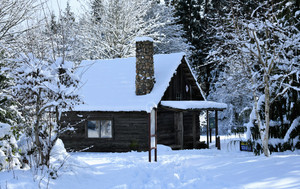
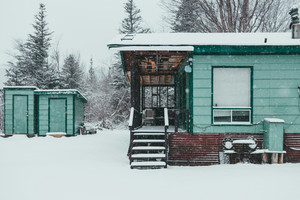
Preventing freezing is also a critical part of maintenance for Canadian households, especially in cottages, cabins, and homes with exposed piping. Even though modern tankless heaters include freeze protection features, these safeguards rely on electricity and may not activate during power outages or extremely low temperatures. Homeowners should insulate exposed pipes leading to and from the heater, particularly in basements, garages, utility rooms, or exteriors where temperatures drop quickly. During extended absences in the winter, the safest approach is to drain the heater completely to protect internal pathways from freezing. A frozen heater can crack or rupture internally, resulting in expensive repairs or replacement. By taking preventive steps before the coldest months of the year, homeowners keep the system safe from the damages caused by frigid weather.
Installing and Maintaining Sediment Filtration
Because Canadian water quality varies widely, installing a sediment filter at the cold-water inlet helps protect the heater from fine particles that enter through municipal lines, rural well systems, or seasonal disturbances. Sediments such as sand, rust flakes, or organic matter accumulate in internal pathways and slowly restrict water flow. Over months or years, this buildup can cause the heater to operate at higher temperatures than intended. A sediment filter traps these particles before they reach the heater, preserving water flow and reducing the risk of internal clogging. Filters should be inspected every few months and replaced whenever they show signs of darkening or slowing flow. This small step significantly extends the lifespan of the heater by reducing wear on internal components.
Ensuring Proper Gas or Electrical Supply
Gas-powered tankless heaters benefit from an annual gas line inspection to ensure that connections remain secure and that the heater is receiving the correct fuel pressure. Changes in outdoor temperature, ground shifting, or natural settling of a home’s structure can affect gas line performance. A professional technician can confirm that fuel delivery remains stable and adjust settings if needed. Stable fuel pressure ensures consistent heating, prevents flame issues, and supports smooth operation during heavy winter demand.
Electric tankless heaters also require periodic inspection of wiring and breakers to ensure consistent power supply. Over time, vibration and temperature changes can loosen connections, leading to intermittent power flow or tripping circuits. A yearly check ensures that every connection is secure and that power delivery remains stable during high-demand usage, such as mornings or evenings. Stable electrical flow helps maintain consistent water temperature and protects internal components from heat stress.
Keeping the System Active Through Regular Use
Another important maintenance habit is running hot water regularly, even during periods when the heater is not in heavy use. In vacation homes or cottages, water may sit in pipes for long periods. Regular operation allows fresh water to circulate through internal pathways, helping prevent stagnation and allowing the heater to self-monitor temperature and flow. This keeps internal components active and reduces the risk of sediment settling or internal corrosion forming in low-use environments.
Maintaining a Clean and Clear Surrounding Space
Keeping the area around the heater clean and free of clutter also supports longevity, especially when the heater relies on ambient air for combustion or ventilation. Storage items placed too close to the heater may block airflow or trap heat. A clean and open space ensures that sensors, air intakes, and exterior surfaces remain unobstructed, maintaining healthy airflow and preventing overheating. This is particularly important in compact mechanical rooms or basements where storage easily accumulates.
Recognizing Early Signs of Performance Issues
Homeowners should also pay close attention to early signs of performance changes, such as fluctuating water temperature, reduced flow, or unusual sounds during operation. These symptoms often indicate mineral buildup, partial blockages, or sensor issues. Addressing these early signs prevents small problems from developing into larger, more expensive repairs. Tankless heaters use advanced technology with sensors, valves, and flow meters that require clean and stable operating conditions. Regular checkups help identify when these components need cleaning or recalibration.
Scheduling Annual Professional Maintenance
Annual professional maintenance is recommended for homeowners who want a thorough inspection of all components. A trained technician performs a detailed evaluation of gas pressure, electrical connections, sensors, ventilation, combustion efficiency, and flow rate. Combining professional maintenance with regular homeowner care provides the highest level of protection and ensures that the heater continues operating at peak performance for many years.
Building a Seasonal Maintenance Routine
Seasonal awareness also contributes to longevity. In spring and summer, homeowners can take advantage of warmer temperatures to perform deep cleaning, inspect insulation, and service external piping. In fall, preparing for the coming winter ensures that vents remain clear and that freeze protection is secure. By aligning maintenance schedules with seasonal changes, homeowners create a natural rhythm that protects the heater from Canada’s unique temperature swings.
Setting a Stable and Efficient Temperature
Water heaters also benefit from stable temperature settings. Setting the temperature too high increases internal stress, encourages scale formation, and raises energy costs. A moderate and consistent temperature protects components from excessive heat strain and keeps water comfortable for household use. Seasonal adjustments may be helpful in extremely cold provinces where incoming water is significantly colder in winter, but these changes should always remain within the manufacturer’s recommended range.
Tracking Maintenance for Future Efficiency
Tracking maintenance can also help homeowners stay consistent. Keeping a simple log of descaling dates, filter changes, inspections, and seasonal checks ensures that no step is missed and helps identify patterns in performance. This is especially useful for larger households experiencing higher hot water demand. When maintenance tasks are recorded, homeowners gain insight into how frequently the heater requires attention and can adjust routines accordingly.
Ensuring Long-Term Reliability and Performance
The longevity of a tankless water heater in Canadian homes directly depends on preventive care, seasonal awareness, and routine cleaning. Hard water minerals, freezing temperatures, airflow restrictions, and pressure fluctuations are all manageable challenges when approached with consistent attention. A well-maintained heater continues to deliver efficient, reliable hot water through long winters, busy mornings, and everyday household routines. With proactive maintenance, homeowners protect their investment, improve energy performance, and enjoy years of dependable hot water with minimal disruption.
Frequently Asked Questions (FAQ)
What is the most important maintenance task for a tankless water heater in Canada?
Regular descaling is the most essential task because it removes mineral buildup caused by hard water and keeps the heater running efficiently.
How often should I descale my tankless water heater?
Homes in hard-water regions should descale every six months, while homes with softer water can perform it once a year.
Can cold Canadian winters affect my tankless water heater?
Yes, freezing temperatures can damage internal pathways, so insulation and proper freeze protection are necessary, especially in cottages or unheated areas.
Do tankless water heaters need ventilation checks?
Yes, gas systems require clear ventilation for safe combustion, and vents should be inspected seasonally to remove dust, snow, or debris.
Should I install a sediment filter?
A sediment filter helps keep out sand, rust, and fine particles that can restrict water flow and reduce lifespan, making it highly recommended in many regions.
Why is water pressure important for maintenance?
Incorrect pressure strains internal components or disrupts flow, so keeping pressure within the proper range helps maintain consistent heating.
Is professional maintenance required every year?
Annual professional maintenance is strongly advised to check sensors, gas pressure, wiring, and combustion efficiency.
What are the signs that my tankless water heater needs attention?
Irregular temperatures, reduced water flow, or unusual noises often indicate mineral buildup or sensor issues.
Should I adjust temperature settings seasonally?
A stable, moderate temperature is ideal, though slight adjustments may be needed in winter when incoming water is colder.
How can I protect my tankless water heater in an unused vacation home?
Running hot water periodically or draining the heater before long winter absences prevents stagnation and freeze damage.