 Weekly Deals
 Water Heaters
 Accessories
 Installation
 Parts
Parts
 Protection Plans


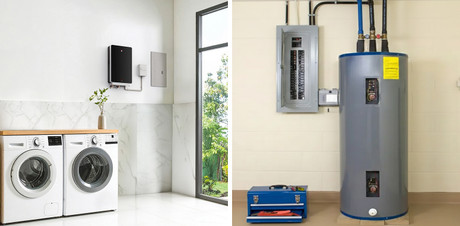


Tankless vs Traditional Water Heaters in Canada: Which Is Better?
Choosing the right water heater is one of the most important home upgrades Canadians can make, especially when energy costs rise and winters demand reliable hot water. Whether you live in a Toronto condo, a Calgary suburban home, or a rural property in Nova Scotia, your water heater affects your comfort, monthly utility bills, and even your long-term maintenance costs.
When comparing tankless vs traditional water heaters in Canada, homeowners often ask one big question: which is better? The answer depends on your household size, hot water usage habits, installation setup, and long-term budget. Both systems can perform well, but they operate very differently and offer different benefits.
This guide explores the key differences between tankless and traditional water heaters, focusing on Canadian climate needs, energy efficiency, lifespan, operating costs, and performance.
Understanding How Traditional Water Heaters Work
Traditional water heaters, also known as storage tank water heaters, are the most common option found in older Canadian homes. These systems store a large amount of hot water in a tank, typically ranging from 40 to 60 gallons, and keep that water heated throughout the day and night.
The heating process happens even when you are not using hot water. The heater continuously reheats the stored water as it cools down, ensuring hot water is always ready when you turn on a tap or shower.
For many Canadian households, traditional water heaters have been the default choice for decades because they are familiar, widely available, and relatively affordable upfront.
Understanding How Tankless Water Heaters Work
Tankless water heaters, also called on-demand water heaters, operate without storing hot water. Instead, they heat water only when you need it. When you open a faucet or start a shower, cold water flows through the system and is rapidly heated using gas or electricity.
The biggest difference is that tankless systems do not keep water hot all day. They only use energy when hot water is actively being used.
This design makes tankless water heaters a popular modern upgrade in Canada, especially for homeowners who want improved energy savings and unlimited hot water potential.
Why Canadian Climate Matters in Choosing a Water Heater
Canada’s cold winters create a unique challenge for water heating systems. Incoming groundwater temperatures can be extremely low, especially in Prairie provinces and northern regions. This means the heater must work harder to bring water to a comfortable temperature.
For traditional systems, this usually means the tank must maintain hot water constantly, which can increase standby heat loss in colder basements or utility rooms.
For tankless systems, colder incoming water requires more heating power, which can reduce flow rate if the system is undersized. This is why sizing is extremely important in Canada. A properly chosen tankless water heater can perform very well, but it must be built to handle Canadian winter water temperatures.
Comparing Upfront Costs in Canada
One of the most noticeable differences between tankless and traditional water heaters is the initial cost.
Traditional water heaters are usually less expensive to purchase. The equipment cost is generally lower, and installation is often easier because many homes are already built with storage tank systems in place. This makes replacement quick and affordable, which is why many Canadians choose a traditional system when their existing tank fails.
Tankless water heaters cost more upfront. The heater itself is typically more expensive, and installation may require upgrades such as venting changes, gas line modifications, electrical adjustments, or water softening solutions. In some cases, Canadian homeowners also need a professional assessment to ensure proper sizing and safe installation.
However, while tankless systems cost more at the beginning, many homeowners view them as a long-term investment because of their efficiency and longer lifespan.
Energy Efficiency Differences Between Tankless and Traditional Systems
Energy efficiency is a major reason Canadians consider switching to tankless water heating.
Traditional water heaters lose energy through standby heat loss. This happens because the tank is constantly reheating stored water, even when no one is using it. The bigger the tank and the colder the environment, the more energy is lost over time.
Tankless water heaters avoid standby loss because they do not store hot water. They heat water only when demand exists, which can significantly reduce wasted energy. For households that use hot water mostly during specific times of day, such as morning showers and evening dishwashing, tankless systems can deliver noticeable efficiency improvements.
In Canada, where heating bills can already be high, reducing energy waste is often a strong advantage. Many homeowners find that tankless water heaters provide better long-term savings, especially when replacing an older, inefficient storage tank heater.
Monthly Utility Bills and Long-Term Operating Costs
The cost of operating a water heater in Canada depends heavily on fuel type, household habits, and efficiency.
Traditional water heaters may cost more over time because they continuously heat stored water. Even if you are away for a weekend, the heater still keeps water hot unless you manually turn it down.
Tankless water heaters can reduce monthly energy costs because they operate only when hot water is needed. This can be especially beneficial for smaller households, couples, or homes where people work outside during the day.
However, in very large families with heavy water usage all day long, the savings may be less dramatic because the system will be running frequently. Even so, tankless heaters still tend to be more efficient than traditional storage tank systems.
Canadian homeowners who want predictable energy savings often find tankless water heating to be the better choice over the long term.
Lifespan Comparison: Which Lasts Longer?
When comparing tankless vs traditional water heaters in Canada, lifespan is one of the biggest deciding factors.
Traditional water heaters typically last around 8 to 12 years. In some cases, they may last longer with excellent maintenance, but storage tanks eventually develop corrosion, sediment buildup, and internal wear that leads to failure.
Tankless water heaters generally last longer, often 15 to 20 years when properly maintained. Since there is no storage tank holding gallons of water, the risk of tank corrosion is eliminated. Many tankless systems are also built with replaceable parts, allowing repairs rather than full replacement.
In Canada, where hard water is common in many provinces, maintenance plays a big role in lifespan. With proper flushing and scale prevention, tankless heaters can remain reliable for many years.
Hot Water Performance and Flow Rate Differences
Performance is where the debate becomes very personal because it depends on your household’s lifestyle.
Traditional water heaters provide a limited supply of hot water based on tank size. Once the hot water in the tank is used up, you must wait for the tank to refill and reheat. This is why some Canadian families experience cold showers when multiple people shower back-to-back in the morning.
Tankless water heaters provide hot water on demand. In theory, they can deliver endless hot water as long as the system is properly sized and has enough energy supply. This makes tankless heating attractive for households that want long showers, frequent laundry cycles, or simultaneous hot water use.
However, tankless systems have a maximum flow rate. If too many hot water fixtures are running at once, such as two showers and a dishwasher, the heater may struggle to keep up, resulting in lower water temperature or reduced flow.
For Canadian families, proper sizing is critical. A tankless heater designed for a small apartment will not perform well in a large home with multiple bathrooms. When chosen correctly, tankless systems can provide excellent comfort and consistent hot water.
Installation Complexity in Canadian Homes
Traditional water heaters are generally easier to install. Most Canadian homes already have plumbing designed for storage tanks, making replacement simple. Many homeowners can swap an old tank with a new one without major upgrades.
Tankless installation can be more complex. Gas-powered models often require special venting, sometimes through an exterior wall. The gas line may need to be larger to support higher heating demand. Electrical requirements may also change, depending on the model.
In condos and apartments, installation may be limited by building codes, venting access, and available space.
That said, many Canadian homeowners find the installation challenges worth it because tankless systems free up space and offer modern efficiency.
Space Savings and Home Layout Advantages
Traditional storage tanks take up significant space, usually in a basement, utility room, or closet. In smaller Canadian homes, this can be a drawback, especially in condos or townhouses where every square foot matters.
Tankless water heaters are compact and wall-mounted. This makes them ideal for modern Canadian housing, including renovated basements, small homes, and urban living spaces. The space-saving benefit is often overlooked but can be a major advantage for homeowners planning remodels.
For Canadians looking to maximize usable storage or create a cleaner mechanical room layout, tankless systems are often the better option.
Maintenance Needs and Water Quality Considerations in Canada
Canadian water quality varies by region, but hard water is common in many provinces. Hard water contains minerals like calcium and magnesium, which can create scale buildup in water heaters.
Traditional tanks accumulate sediment at the bottom, which reduces heating efficiency and may cause noise or damage. Regular tank flushing helps, but many homeowners skip this step until problems appear.
Tankless water heaters are more sensitive to scale buildup because water flows through narrow heating components. If scale builds up, performance drops and the heater can become less efficient. Regular flushing is strongly recommended, especially in areas with hard water.
Many Canadian homeowners also install water softeners or scale-reduction systems to protect their investment.
In terms of maintenance, both systems require care, but tankless heaters typically demand more consistent servicing to maintain peak performance.
Safety and Risk of Water Damage
Traditional storage tanks carry a higher risk of water damage because they store large volumes of water. If the tank leaks or bursts, it can flood basements and cause costly repairs. In Canada, where basements often contain valuable storage, finished living spaces, or home gyms, this risk can be significant.
Tankless water heaters reduce this risk because they do not store large amounts of water. While plumbing leaks can still occur, the chance of sudden large-scale flooding is much lower compared to a traditional storage tank failure.
For homeowners concerned about property damage, tankless systems offer an important peace-of-mind advantage.
Environmental Impact and Sustainability
Sustainability is becoming more important across Canada, especially as homeowners focus on reducing energy consumption and carbon footprints.
Traditional water heaters waste more energy due to standby heating. This increases fuel usage and environmental impact over time.
Tankless systems use energy only when needed, making them more eco-friendly in many cases. For Canadians trying to lower household emissions or align with greener living goals, tankless heating is often the preferred option.
Many provinces also encourage energy-efficient upgrades through rebate programs, depending on location and current policies.
Which Water Heater Is Better for Different Canadian Households?
The best choice depends on lifestyle, budget, and long-term planning.
A traditional water heater may be better for homeowners who want the lowest upfront cost, simple installation, and familiar operation. It can also be a good fit for households with predictable hot water demand and enough tank capacity to avoid shortages.
A tankless water heater may be better for homeowners who want long-term savings, improved energy efficiency, more space in the home, and longer system lifespan. It is especially appealing for Canadians planning to stay in their home for many years, since the investment pays off over time.
Tankless heating is also a great match for households that value comfort and dislike running out of hot water.
Tankless vs Traditional Water Heaters in Canada: Final Verdict
So, which is better for Canada: tankless or traditional?
For many Canadian homeowners, tankless water heaters are the better long-term choice because they offer improved energy efficiency, longer lifespan, and hot water on demand. They are ideal for modern homes, renovations, and families who want a premium water heating experience.
However, traditional water heaters still remain a strong option for those who want lower upfront costs, simpler installation, and reliable performance without the need for careful sizing.
Ultimately, the best decision comes down to your household’s hot water habits, available budget, and how long you plan to stay in your home.
If you want a system designed for efficiency and long-term value, tankless water heating is often the clear winner. If affordability and simplicity are your priority, a traditional tank system may still be the right fit.
Frequently Asked Questions (FAQ)
Are tankless water heaters worth it in Canada?
Yes, tankless water heaters can be worth it in Canada because they reduce standby energy loss and provide hot water on demand. They are especially valuable for homeowners who want long-term energy savings and a longer-lasting system.
Do tankless water heaters work well in Canadian winters?
Yes, but proper sizing is essential. Since Canadian groundwater is colder in winter, the heater must be powerful enough to raise the temperature efficiently without reducing performance.
Which option is cheaper: tankless or traditional?
Traditional water heaters are cheaper upfront, but tankless systems often cost less over time due to energy savings and longer lifespan.
Can a tankless heater supply hot water to an entire Canadian home?
Yes, a properly sized tankless water heater can supply hot water for an entire home, including multiple bathrooms. Choosing the right flow rate and temperature rise capacity is critical.
Do traditional water heaters waste energy?
Yes, traditional systems can waste energy because they constantly keep stored water heated even when no hot water is being used.
Which water heater lasts longer in Canada?
Tankless water heaters typically last longer, often 15 to 20 years, while traditional storage tanks generally last around 8 to 12 years, depending on maintenance and water conditions.