 Weekly Deals
 Water Heaters
 Accessories
 Installation
 Parts
Parts
 Protection Plans


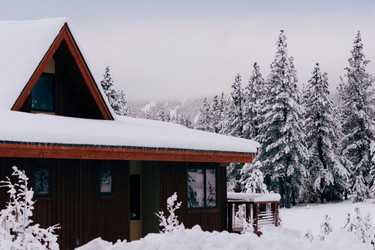


Tankless vs. Traditional Water Heaters: What’s Best for Canadian Winters in 2026?
Canadian homeowners in 2026 continue to face an ongoing question: how to choose the most reliable, energy-smart and winter-ready water heating system for the country’s famously long and intense cold seasons. As climate-conscious living becomes more important, and as energy costs rise, the need to understand how different water heating technologies perform throughout the year becomes even more essential. For many households, the decision often feels like a choice between a modern tankless system designed to heat water as it flows and a conventional system that stores hot water in a large reservoir. While each delivers hot water in a completely different way, their real-world performance in Canadian weather varies based on climate zone, insulation quality, household size, energy goals and budget.
The search for better efficiency and improved winter performance has led many Canadians to explore what 2026 models offer, especially because today’s technologies have evolved significantly. Cold-weather adaptation, smarter energy management, improved freeze protection and higher-capacity flow systems shape the conversation more than ever. As a result, homeowners planning to upgrade their water heating system need a clear understanding of how both options behave during peak winter demand, how much energy each approach consumes and what factors affect long-term reliability.
Understanding Tankless Water Heating for Canadian Households in 2026
Tankless water heaters operate by heating water only when it is needed, allowing households to access hot water through real-time heating instead of stored water. This method supports greater energy control because the system is not working continuously to keep water hot. As Canada experiences colder winters year after year, energy-conscious homeowners have become more attracted to the idea of reducing standby energy usage. Because tankless options avoid heating water around the clock, many Canadians see them as a pathway toward lower monthly expenses and a more environmentally responsible lifestyle.
In 2026, tankless technology across North America continues to evolve in ways that directly address the Canadian climate. Modern models now feature improved freeze protection that helps safeguard internal components during extended cold snaps. This has become important for households in provinces such as Alberta, Manitoba and Saskatchewan, where harsh winter temperatures can cause major stress on heating systems. Many tankless solutions now come equipped with smart sensors that activate internal warming mechanisms when temperatures drop to freezing levels, which supports reliability even during blizzards or nights with severe wind chills.
Flow performance remains a major consideration because tankless heating relies on powerful burners or electrical elements to warm water at the moment it passes through the system. Canadian homes, especially those with multi-person families, require enough capacity to keep showers warm even when external temperatures fall well below zero. To meet this demand, manufacturers in 2026 have increased the maximum flow capabilities of many tankless models, helping them maintain stable hot water delivery even when incoming water temperatures are extremely low. This improvement makes tankless options more feasible for large households that need simultaneous hot water access for showering, dishwashing and laundry.
However, tankless installation requires careful preparation and correct system sizing. Professional installation ensures that gas lines, electrical supply and venting align with the power needed for on-demand heating. Many Canadian homeowners also upgrade their water lines, insulation and ventilation when installing a tankless system because precise conditions allow the system to perform at its highest efficiency. Once installed correctly, a tankless solution can deliver steady heating performance without the need to store large volumes of water.
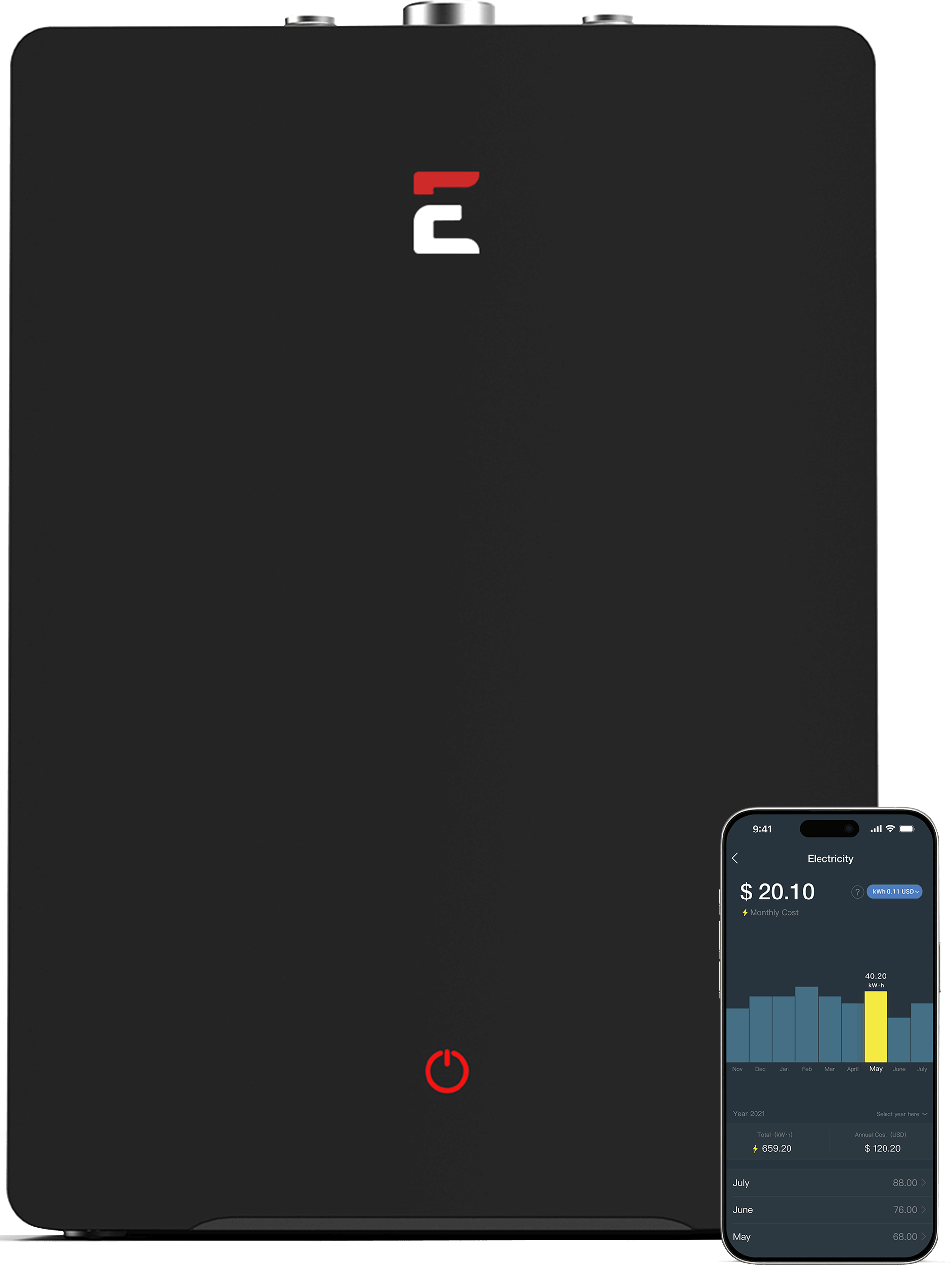
Maintenance plays an important role for tankless systems in Canada, especially in areas with hard water. Mineral buildup can affect heating performance over time, so homeowners benefit from scheduled flushing and periodic inspections. Fortunately, tankless systems in 2026 often come with smart monitoring features that alert users about limescale buildup, temperature inconsistencies or potential clogs. These alerts give homeowners more control and help ensure long-term performance without unexpected winter issues.
One of the most appealing aspects of tankless heating for Canadians is the energy efficiency advantage. Because tankless systems only operate when needed, many homeowners experience reduced monthly energy bills, especially in smaller or more energy-conscious households. This benefit becomes increasingly important in a time when Canadian energy rates continue to fluctuate, and sustainability becomes a key priority across major cities. The savings also extend over the long term since tankless solutions are designed with components that often last longer than many other heating technologies. This longevity makes the investment more worthwhile for homeowners who prioritize long-term value and lower environmental impact.
How Traditional Tank-Based Water Heating Fits Canadian Homes in 2026
Traditional tank-based water heaters store a large volume of water and keep it heated throughout the day, offering hot water as soon as a faucet or shower turns on. This approach has been common across Canada for decades mainly because homeowners are familiar with it and older homes were designed around tank installations. In many cases, tank-style systems remain in place simply because they were the standard long before today’s high-efficiency technologies became available.
In 2026, tank-based heaters still serve some Canadian households, but their performance depends heavily on tank size, insulation quality and the heater’s ability to recover after use. While they can provide a steady supply of hot water during predictable schedules, they lack the adaptive, on-demand responsiveness that modern homeowners increasingly expect. With Canadians using hot water more dynamically—running showers, dishwashers and laundry at different times—tank systems often struggle to match the flexibility that tankless systems deliver effortlessly.
The challenges become most evident during harsh Canadian winters. A traditional tank continually loses heat, especially when located in cold basements, garages or uninsulated utility areas. To compensate, it must reheat the stored water again and again, leading to higher energy consumption and inefficient operation in colder climates. This continual reheating is one of the main reasons many Canadians are now moving toward tankless technology, which heats water only when it’s needed and eliminates standby heat loss entirely.
Although tank-based models may offer lower upfront installation costs, they tend to cost more in the long run because of ongoing energy use and shorter lifespans. Even with improvements in insulation and burner efficiency in 2026 models, tank-style systems cannot avoid the basic inefficiency of storing and constantly reheating large volumes of hot water. By comparison, tankless water heaters provide significant long-term savings by operating only when hot water is required, making them a far smarter investment for homeowners looking to cut utility bills and reduce energy waste.
Maintenance needs also highlight the gap between the two technologies. Tank-based heaters require periodic flushing to remove sediment buildup and routine replacement of the anode rod to prevent internal corrosion. These tasks, while manageable, underscore the limitations of reservoir-based designs. Tankless systems generally require far less maintenance and often last years longer, which is another major reason Canadians are choosing to upgrade.
In colder regions, some homeowners try to improve tank performance by adding insulation or enclosing the heater in a warmer space. While this can slow heat loss, it doesn’t solve the fundamental issue: the system must keep reheating water whether it’s used or not. Because of this, more Canadians are now recognizing that switching to a tankless water heater offers a far better solution—delivering reliable hot water, reducing energy consumption and improving overall home efficiency. For those planning upgrades in 2026, tankless technology provides a future-ready option that aligns with modern living, sustainability goals and long-term savings.
Winter Performance in Canadian Climates: What Homeowners Consider in 2026
Canada’s climate is one of the most challenging environments for water heating systems. Winter temperatures can plunge far below freezing for months at a time, and wind chills can intensify the stress placed on heating systems. Whether a household chooses a tankless or tank-based approach, the system must be capable of managing substantial temperature drops without compromising comfort.
Tankless systems must be powerful enough to accommodate extremely cold incoming water. In many regions, water flowing into the home during winter can be just a few degrees above freezing. The heating mechanism must raise that temperature quickly and efficiently to deliver warm or hot water on demand. If the system is undersized or lacks sufficient heating power, temperature drops may occur during high-demand periods. As technology improved through 2024 to 2026, manufacturers addressed these concerns by producing higher-capacity models that maintain stable temperatures even when the incoming water is extremely cold.
Tank-based systems, meanwhile, must prevent heat loss from the stored water. Because reservoir water cools naturally over time, energy consumption tends to rise in winter. Some Canadian homeowners add insulation jackets to help reduce heat loss or choose tank models with thick insulating layers designed to protect hot water from freezing temperatures. In addition, the placement of the tank matters because colder rooms force the system to work harder and consume more energy.
Regardless of which approach homeowners choose, proper maintenance, installation quality and climate adaptation determine how well the water heater performs in winter. Many Canadians schedule inspections before cold weather begins to ensure safe operation and efficient performance.
Cost Considerations for Canadian Homeowners in 2026
Cost remains one of the biggest decision-making factors for Canadians choosing between tankless and tank-based water heating in 2026. Upfront installation costs are generally higher for tankless systems because they require stronger gas lines or electrical upgrades, but they often provide monthly energy savings that accumulate over time. Tank-based heaters are usually more affordable to install initially, but may consume more energy during Canada’s coldest months because they maintain hot water continuously.
For homeowners planning to stay in their home long-term, the potential energy savings and longevity of a tankless system can help justify the higher initial price. On the other hand, those who want lower upfront costs or prefer a familiar heating system may lean toward a tank-based approach even if long-term expenses may be higher.
Which Option Is Best for Canadian Winters in 2026?
There is no universal answer because every Canadian household has unique needs. Tankless systems appeal to homeowners seeking energy efficiency, long-term savings and advanced technology capable of adapting to cold temperatures. They support sustainable living and offer improved resilience under extreme winter conditions when correctly sized and installed. Homeowners who prioritize on-demand hot water and want greater control through modern smart features often find tankless solutions ideal.
Tank-based systems, meanwhile, remain a dependable choice for homeowners who prefer simplicity, lower upfront installation costs and a familiar reservoir-style heating method. They offer reliable performance when maintained properly and continue to be accessible across all provinces.
Ultimately, the best choice depends on household size, winter temperatures, energy goals and budget. With Canada’s growing emphasis on sustainability and efficiency in 2026, many households gravitate toward technologies that reduce energy use and support long-term savings. Whether choosing a tankless system or a reservoir-style heater, the goal remains the same: ensuring reliable, consistent and comfortable hot water during even the coldest Canadian winters.
Frequently Asked Questions (FAQ)
Can a tankless water heater handle extremely cold Canadian winters?
Yes, modern 2026 tankless systems are designed with stronger heating power and freeze protection, allowing them to perform well when properly sized for cold incoming water.
Do tank-based water heaters lose more heat during winter?
Yes, stored water cools faster in low temperatures, so the system reheats more often, which can increase energy use in colder provinces.
Is installation more complex for tankless systems?
Yes, tankless systems often require upgraded gas lines, electrical adjustments or venting changes, which makes professional installation important.
Can tankless water heaters increase home value?
Yes, energy-efficient and modern heating technology is appealing to many Canadian buyers, especially those prioritizing long-term savings.
Does hard water affect performance?
Yes, hard water can cause mineral buildup in both technologies, so regular flushing or descaling is recommended, especially in winter-heavy regions.
Will I save money with a tankless system?
Many homeowners experience lower monthly costs because tankless systems heat water only when used, but savings depend on usage habits and winter climate.
Are tankless systems suitable for condos or small homes?
Yes, many Canadian condo owners choose tankless heating because it saves space and fits well in compact areas with the right venting setup.
Do both systems require winter maintenance?
Yes, yearly inspections help prevent performance issues, especially before temperatures drop, and both systems benefit from seasonal servicing.