 Weekly Deals
 Water Heaters
 Accessories
 Installation
 Parts
Parts
 Protection Plans




What Temperature Should a Tankless Water Heater Be Set To in Canada?
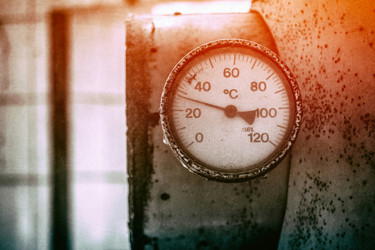
Choosing the right temperature setting for a tankless water heater is an important part of creating a comfortable, efficient, and safe hot water system in a Canadian home. Unlike traditional storage water heaters that continuously maintain a tank of heated water, a tankless water heater heats water as it passes through the system. Because of this, the temperature setting, incoming water temperature, water flow rate, and desired hot water temperature all work together to determine how the water heater performs.
For Canadian homeowners, understanding the right tankless water heater temperature setting becomes especially important as the seasons change. During warmer months, incoming water may be relatively mild, allowing the water heater to reach the desired temperature with less effort. During the colder months, however, groundwater and incoming supply water can become significantly colder, increasing the amount of heating required to reach the same outlet temperature.
So, what temperature should a tankless water heater be set to in Canada? The answer depends on how the hot water will be used, who is using it, the home's plumbing configuration, the water heater model, and the temperature of the incoming water. A moderate household setting is often a practical starting point, while certain applications may require different settings.
Understanding Tankless Water Heater Temperature Settings
The temperature setting on a tankless water heater determines the target temperature of the water leaving the heater. When a hot water tap is opened, the water heater detects the flow and begins heating the incoming water until it reaches the selected temperature.
For example, if cold water enters the water heater at 50°F and the temperature setting is 120°F, the heater needs to raise the water temperature by approximately 70°F. This difference is known as the temperature rise.
Temperature rise is one of the most important concepts to understand when operating a tankless water heater because the heater's ability to produce hot water at a particular flow rate depends on how much the incoming water needs to be heated.
If the incoming water becomes colder, the required temperature rise becomes larger. This is one reason Canadian homeowners may notice different tankless water heater performance during winter compared with summer.
What Is a Good Temperature Setting for a Canadian Home?
For many residential applications, a temperature setting around 120°F, or approximately 49°C, can be a practical starting point. However, homeowners should always consider the manufacturer's instructions, local requirements, household needs, and the recommendations of a qualified professional when determining the appropriate setting for their specific installation.
A setting around this range can provide comfortable hot water for many everyday household activities while avoiding an unnecessarily high target temperature. The ideal setting is not necessarily the highest temperature the water heater can produce.
Instead, homeowners should consider how the water will actually be used.
A household that primarily uses hot water for showers, handwashing, dishwashing, and laundry may have different needs from a home with specialized hot water applications. Families with young children, older adults, or people who may be more vulnerable to burns should also pay particular attention to scald protection.
The important point is that there is no single temperature setting that is perfect for every Canadian household.
Why 120°F or 49°C Is Often Considered a Practical Starting Point
A moderate temperature setting can help balance comfort, usability, and energy considerations. Setting the water heater significantly higher than necessary can require additional mixing with cold water at the faucet or shower, while a moderate setting may provide suitable hot water directly from the heater.
However, the appropriate setting depends on the entire plumbing system and the way hot water is being used.
It is also important to understand that a temperature setting is not the same thing as the temperature that every fixture will necessarily deliver. Faucets, shower valves, mixing valves, plumbing configurations, and other components can influence the final temperature experienced at the point of use.
For this reason, homeowners should not assume that changing the water heater setting alone will solve every hot water temperature issue.
Why Incoming Water Temperature Matters in Canada
One of the biggest differences between operating a tankless water heater in different seasons is the temperature of the incoming water.
Canadian homes can experience significant seasonal changes in incoming water temperature. In colder regions, the water entering a home during winter can be considerably colder than it is during the warmer months.
Suppose a tankless water heater is set to 120°F and the incoming water is 60°F. The system needs to provide a 60°F temperature rise.
Now imagine that winter arrives and the incoming water temperature drops to 40°F. The same 120°F target now requires an 80°F temperature rise.
The desired outlet temperature has not changed, but the amount of heating required has increased.
This distinction is particularly important for homeowners who expect their tankless water heater to provide the same flow rate under every condition. A water heater may be capable of delivering a particular flow rate at one temperature rise but a lower flow rate at a substantially higher temperature rise.
Why Your Tankless Water Heater May Feel Different in Winter
During winter, a homeowner may notice that hot water performance changes even though the temperature setting on the water heater has remained exactly the same.
The reason can be as simple as colder incoming water.
When the incoming water is colder, the water heater must work harder to raise it to the selected temperature. Depending on the model and available heating capacity, the maximum hot water flow may be reduced when a larger temperature rise is required.
This does not necessarily mean that the water heater is malfunctioning.
For example, a shower that feels comfortable during the summer may require a lower flow rate during a particularly cold winter period if the incoming water temperature has dropped substantially.
Understanding this relationship can help homeowners avoid making unnecessary adjustments to the temperature setting.
Does Raising the Temperature Fix Low Hot Water Flow?
Not necessarily.
One common misconception is that increasing the tankless water heater temperature will solve a low-flow or insufficient-hot-water problem. In some situations, changing the temperature setting may actually increase the required temperature rise and make the system work harder.
For example, if incoming water is 45°F and the heater is set to 120°F, the required temperature rise is 75°F. If the homeowner increases the target to 140°F, the required temperature rise becomes 95°F.
That is a larger heating requirement.
If the underlying problem is insufficient flow, a clogged filter, inadequate water pressure, a flow sensor issue, an installation problem, or the limitations of the particular model, simply increasing the temperature setting may not solve the issue.
Homeowners experiencing persistent low flow or inconsistent hot water should investigate the cause rather than automatically increasing the temperature.
Tankless Water Heater Temperature and Shower Comfort
Shower comfort is one of the most important considerations when choosing a tankless water heater temperature setting.
Most people do not want extremely hot water coming directly from the showerhead. Instead, the desired shower temperature is usually achieved by balancing hot and cold water.
A moderate water heater setting can make it easier to achieve a comfortable shower temperature without unnecessarily increasing the water heater's target temperature.
However, shower performance also depends on the showerhead flow rate, incoming water temperature, water pressure, plumbing configuration, and the tankless water heater's capacity.
During winter, colder incoming water can increase the amount of heating required. If a homeowner notices that the shower becomes less comfortable during very cold weather, the issue may be related to the increased temperature rise rather than an incorrect temperature setting.
Kitchen and Laundry Hot Water Needs
The ideal tankless water heater temperature setting may also depend on how hot water is used throughout the home.
Kitchen activities such as washing dishes and cleaning may require hot water, but homeowners should consider the manufacturer's recommendations and the requirements of their appliances rather than automatically setting the water heater to its maximum temperature.
Laundry requirements can also vary depending on the washing machine, detergent, fabric type, and selected wash cycle. Modern washing machines frequently provide multiple temperature options, meaning homeowners may not need to maintain an extremely high water heater setting for everyday laundry.
The goal should be to select a temperature that supports the household's normal hot water needs while also considering safety and efficiency.
Scald Protection Should Always Be Considered
Hot water can cause serious burns, particularly for young children, older adults, and people with reduced sensitivity to temperature.
This is why scald protection should be part of any discussion about tankless water heater temperature settings.
A higher temperature setting can increase the risk of burns if extremely hot water reaches a faucet or shower without adequate temperature control.
Homeowners should follow the manufacturer's installation instructions and applicable Canadian plumbing requirements when determining the appropriate temperature setting and whether additional mixing or temperature-limiting devices are needed.
If you are unsure about the appropriate configuration for your home, a qualified plumbing professional can evaluate the installation and recommend appropriate temperature-control measures.
Is a Higher Temperature More Energy Efficient?
A higher temperature setting is not automatically more energy efficient.
Because tankless water heaters heat water as it is needed, they do not continuously maintain a large storage tank at a particular temperature. However, the amount of energy required to heat water is still influenced by the temperature difference between the incoming water and the desired outlet temperature.
The greater the temperature rise, the more heating energy is required for the same amount of water.
This means that homeowners should avoid assuming that setting the water heater to a very high temperature will somehow make hot water last longer. With a tankless water heater, the system is designed to provide hot water on demand, subject to its flow and heating capacity.
Instead of choosing the highest possible setting, homeowners should select a temperature appropriate for their household's actual needs.
What Temperature Should a Tankless Water Heater Be Set to in Winter?
There is not necessarily a need to dramatically increase the tankless water heater temperature every winter.
In many Canadian homes, maintaining a reasonable household temperature setting throughout the year can be preferable to constantly changing the setting based on the season.
The bigger seasonal variable is often the incoming water temperature.
When winter arrives, the incoming water may be colder, increasing the required temperature rise. Depending on the tankless water heater model and household demand, this can affect the maximum flow rate available at the selected temperature.
If the household experiences a noticeable reduction in hot water performance during winter, homeowners should first consider whether the incoming water temperature, flow rate, water pressure, or system capacity is responsible.
A professional evaluation may be appropriate if the problem persists.
How Temperature Rise Affects Tankless Water Heater Performance
Temperature rise is calculated by subtracting the incoming water temperature from the desired outlet temperature.
For example, if the incoming water temperature is 45°F and the desired outlet temperature is 120°F, the required temperature rise is 75°F.
If the incoming temperature is 55°F, the required temperature rise is only 65°F.
This 10°F difference may appear small, but it illustrates why seasonal conditions matter for tankless water heater performance.
The greater the required temperature rise, the more heating capacity is needed to maintain the desired outlet temperature at a particular flow rate.
This is also why tankless water heater sizing should not be based solely on the number of people in a household. Homeowners should also consider the number of simultaneous hot water applications, expected flow rates, incoming water temperature, and the required temperature rise.
What If the Water Is Not Getting Hot Enough?
If your tankless water heater is not reaching the selected temperature, avoid immediately increasing the setting to the maximum.
First, consider whether the water heater is receiving sufficient water flow and whether the incoming water temperature has changed.
A clogged inlet filter, insufficient water pressure, scale buildup, installation issue, or other maintenance concern can affect performance.
For gas tankless water heaters, fuel supply, venting, and other installation-related factors may also need to be considered. For electric tankless water heaters, electrical supply and available power are important factors.
The specific troubleshooting process depends on the model.
Always consult the owner's manual for your Eccotemp water heater before making adjustments, and contact a qualified professional when a problem involves gas, electrical connections, venting, or other components requiring specialized knowledge.
Should You Adjust Your Tankless Water Heater Temperature Yourself?
Many tankless water heaters allow homeowners to adjust the temperature through a control panel or other approved control method.
However, changing the temperature setting is different from modifying the installation.
Homeowners should only make adjustments that are specifically described in the product documentation. Gas connections, electrical components, venting, water connections, and internal components should not be modified without appropriate qualifications.
If your water heater consistently fails to reach the selected temperature, produces unexpected temperature changes, or displays an error code, consult the manufacturer's troubleshooting information or contact a qualified service professional.
A Practical Temperature Checklist for Canadian Homeowners
Before selecting a tankless water heater temperature setting, consider the temperature of the incoming water, the number of people living in the home, the number of fixtures that may operate simultaneously, the typical shower temperature desired by household members, kitchen and laundry requirements, the needs of children or other individuals who may be more vulnerable to burns, and the specifications of the particular tankless water heater.
It is also important to consider the climate in your region.
A home in a warmer area of Canada may experience different incoming water temperatures from a home in a colder region. Even within the same province, groundwater and municipal water temperatures can vary.
This is why tankless water heater sizing and temperature selection should be based on the actual installation rather than a generic number alone.
When Professional Adjustment May Be Necessary
Professional assistance may be appropriate when changing the temperature setting does not resolve inconsistent hot water, when the water heater repeatedly displays error codes, when there are significant changes in water pressure or flow, when the system has not been maintained according to the manufacturer's recommendations, or when the installation involves gas, electrical, venting, or other components that require specialized knowledge.
A qualified professional can evaluate the water heater, plumbing, incoming water temperature, flow rate, and installation conditions to determine whether the issue is related to temperature settings or another part of the system.
The Bottom Line on Tankless Water Heater Temperature Settings
For many Canadian households, a moderate setting around 120°F, or approximately 49°C, can be a practical starting point, but the correct temperature depends on the specific home, water heater, plumbing system, and household requirements.
The most important thing to remember is that tankless water heater performance depends on more than the temperature displayed on the control panel. Incoming water temperature, flow rate, temperature rise, water pressure, and heating capacity all play important roles.
Winter can make this relationship especially noticeable because colder incoming water increases the temperature rise required to reach the same target temperature.
If your hot water feels different during the colder months, increasing the temperature setting is not always the best solution. Instead, consider the incoming water temperature and whether the water heater is operating within its rated capacity.
By choosing a sensible temperature setting, maintaining the water heater properly, considering seasonal conditions, and following the manufacturer's recommendations, Canadian homeowners can create a more comfortable and reliable hot water experience throughout the year.
Whether you are installing a new tankless water heater or adjusting an existing Eccotemp system, understanding temperature settings can help you make better decisions about comfort, safety, maintenance, and overall hot water performance.
Frequently Asked Questions
What temperature should a tankless water heater be set to?
For many residential applications, approximately 120°F or 49°C can be a practical starting point. The appropriate setting depends on household needs, plumbing configuration, local requirements, manufacturer recommendations, and safety considerations.
Should I increase my tankless water heater temperature in winter?
Not necessarily. Colder incoming water during winter increases the required temperature rise, but simply increasing the water heater's temperature setting may not improve performance. The correct response depends on the specific water heater, flow rate, incoming water temperature, and household demand.
Why does my tankless water heater work differently in winter?
Cold incoming water requires the water heater to provide a larger temperature rise. Depending on the model and flow rate, this can reduce the amount of hot water the system can produce at the selected temperature.
Does increasing the temperature improve low water flow?
Not necessarily. Low flow can have several causes, including water pressure, inlet filters, scale buildup, flow sensors, plumbing conditions, or the capacity of the water heater. Increasing the temperature setting does not automatically resolve these issues.
Is 120°F safe for a tankless water heater?
A setting around 120°F can be a practical household starting point, but hot water can still cause burns. Homeowners should consider scald protection, follow the manufacturer's recommendations, and comply with applicable plumbing requirements.
How does temperature rise affect a tankless water heater?
Temperature rise is the difference between the incoming water temperature and the desired outlet temperature. The colder the incoming water, the greater the temperature rise required. A larger temperature rise can affect the flow rate a tankless water heater can maintain.
Should I set my tankless water heater to its maximum temperature?
For typical household use, there is generally no reason to automatically select the maximum temperature. A temperature appropriate for the home's actual hot water needs can provide a better balance of comfort and safety.
Why is my shower colder in winter?
One possible reason is that the incoming water is colder during winter. Because the water heater must heat the water through a larger temperature rise, its available hot water flow can change depending on the model and operating conditions.
How do I adjust my tankless water heater temperature?
The adjustment method depends on the specific model. Always follow the owner's manual for your Eccotemp water heater and only make adjustments that are specifically permitted by the manufacturer. Installation-related changes should be handled by a qualified professional.
When should I call a professional?
Consider contacting a qualified professional if your water heater consistently fails to reach the selected temperature, has repeated error codes, experiences significant flow problems, or requires work involving gas connections, electrical components, venting, or other installation components.