 Weekly Deals
 Water Heaters
 Accessories
 Installation
 Parts
Parts
 Protection Plans




When Should You Winterize Your Tankless Water Heater? A Province-by-Province Guide for Canada
As temperatures begin to drop across Canada, homeowners with tankless water heaters should start thinking about winterization before freezing weather arrives. One of the most important questions to ask is not simply how to winterize a tankless water heater, but when to winterize a tankless water heater.
The right timing can help protect your water heater and plumbing from freeze-related damage. This is especially important for cottages, cabins, garages, seasonal properties, vacation homes, and other locations where the heating may be turned off during the winter.
There is no single winterization date that works for every Canadian province. British Columbia can have very different winter conditions from Manitoba, Quebec, or Newfoundland and Labrador. Even within the same province, temperatures can vary considerably between coastal communities, inland areas, northern regions, and higher elevations.
Instead of relying on a specific calendar date, the safest approach is to complete winterization before sustained freezing temperatures are expected and before a property will be left without adequate heat.
This guide explains when Canadian homeowners should start thinking about tankless water heater winterization, what factors affect the timing, and what to consider in each province and territory.
Why Timing Matters When Winterizing a Tankless Water Heater
A tankless water heater heats water as it passes through the system, but that does not mean the water heater is completely empty when it is not being used. Water can remain inside internal components, water lines, valves, and plumbing connections.
When temperatures fall below freezing, trapped water can freeze and expand. That expansion can put significant pressure on plumbing components and potentially cause damage.
This is why winterization should be completed before freezing conditions arrive, rather than after temperatures have already dropped below freezing.
Waiting until the first major freeze can create unnecessary risk. A sudden cold snap can occur before homeowners have had an opportunity to drain and prepare their equipment.
For properties that remain heated throughout winter, the approach may be different. If the tankless water heater is installed in a properly heated area and the surrounding plumbing is maintained above freezing, winterization may not be necessary in the same way as it would be for an unheated seasonal property.
However, homeowners should always follow the specific installation, operation, and winterization instructions for their particular Eccotemp model.
When Should You Winterize Your Tankless Water Heater?
The simplest answer is this: winterize your tankless water heater before sustained freezing temperatures are expected at the property.
That does not necessarily mean winterization must happen on the same date every year.
Weather patterns change from year to year, and Canadian provinces cover large geographic areas with different climates. A homeowner in southern British Columbia may have a very different winterization timeline from someone in northern Alberta or Manitoba.
Property conditions also matter.
A tankless water heater located inside a continuously heated home may have less exposure to freezing temperatures than one installed in an unheated garage. A seasonal cottage that will be completely shut down for the winter requires additional planning because there may be no heat protecting the plumbing.
For this reason, homeowners should monitor the forecast and consider the property itself when deciding when to winterize.
British Columbia
British Columbia has a wide range of climates, so winterization timing can vary significantly throughout the province.
Coastal areas generally experience milder winters than many inland and northern communities. However, freezing temperatures can still occur, particularly during cold snaps.
Homeowners in colder inland areas should prepare earlier than those in milder coastal locations.
If a tankless water heater is located in an unheated garage, cabin, cottage, or seasonal property, it is especially important to complete winterization before freezing temperatures become a regular possibility.
For properties that remain occupied and heated throughout the winter, maintaining adequate indoor temperatures may provide protection, but exposed plumbing and outdoor installations still require attention.
The key for British Columbia homeowners is to avoid assuming that a mild climate means freezing protection is unnecessary.
Alberta
Alberta homeowners should take winter preparation seriously because the province regularly experiences significant winter cold.
The timing for winterization will depend on the specific location and property, but seasonal properties and unheated spaces should be prepared before freezing weather becomes established.
For a cottage, cabin, garage, or other property that will not be heated during the winter, waiting until temperatures are already consistently below freezing is not recommended.
Homeowners should plan ahead while temperatures are still manageable. This gives them time to shut down the water supply, drain the appropriate plumbing, and complete the manufacturer's recommended winterization procedures.
For continuously occupied homes, maintaining adequate heat may help protect indoor plumbing, but homeowners should still pay attention to areas that are exposed to cold air.
Saskatchewan
Saskatchewan can experience long periods of very cold winter weather, making preparation particularly important for seasonal properties.
Homeowners should plan winterization before sustained freezing conditions arrive. If a property will be vacant and unheated, the tankless water heater and connected plumbing should be addressed as part of the property's overall winter shutdown.
Rather than choosing a specific date on the calendar, watch the weather forecast and plan ahead of the first prolonged period of freezing temperatures.
This is especially important for rural properties, cabins, garages, and other locations where the heating system may not remain operational throughout winter.
Manitoba
Manitoba homeowners should generally approach winterization as an important part of preparing seasonal or unheated properties for winter.
The province can experience extended periods of freezing weather, so delaying winterization until winter is fully underway can increase the risk of freeze-related problems.
If a tankless water heater is installed in an unheated area, homeowners should make winterization part of their fall preparation routine.
For a property that will be vacant, it is better to complete the process while outdoor temperatures are still manageable rather than waiting for an emergency cold-weather situation.
Homeowners should also remember that winterization involves more than the water heater itself. Connected plumbing, water lines, pumps, and other components may also require protection depending on the property's configuration.
Ontario
Ontario has a wide range of winter conditions, from relatively moderate conditions in parts of southern Ontario to significantly colder weather farther north.
For homeowners in southern Ontario, winterization should be completed before the arrival of sustained freezing temperatures, particularly for cottages and other seasonal properties.
Northern Ontario homeowners may need to prepare earlier because freezing conditions can arrive sooner and persist longer.
A cottage or cabin that will be closed for the winter deserves particular attention. Even if the property has historically experienced mild fall weather, temperatures can change quickly.
If the property will not be heated, homeowners should complete the tankless water heater's winterization procedure before leaving the property for the season.
Quebec
Quebec experiences substantial winter cold, making proper preparation important for both residential and seasonal properties.
Homeowners should not wait for the first severe freeze before preparing a tankless water heater. Instead, winterization should be completed before sustained freezing conditions are expected.
For cottages and vacation properties, the timing should be tied to the property's seasonal closing date as well as the weather forecast.
If the property will remain heated throughout the winter, homeowners should still make sure that the water heater and surrounding plumbing are located in an area that will remain safely above freezing.
Unheated garages, exterior walls, utility rooms, and other colder areas may require additional consideration.
New Brunswick
New Brunswick homeowners should prepare tankless water heaters for winter before sustained freezing temperatures become common.
Seasonal properties should generally be winterized as part of the normal fall closing process rather than waiting until temperatures become dangerously low.
Because weather can change quickly during the transition from fall to winter, homeowners should avoid using the calendar alone to determine when winterization is necessary.
If the property is going to be left unheated, the tankless water heater should be addressed before leaving the property for an extended period.
Nova Scotia
Nova Scotia's coastal climate can produce different winter conditions from other parts of Canada, but freezing temperatures are still a concern.
Homeowners should monitor local weather conditions and prepare their tankless water heater before sustained freezing weather is expected.
This is particularly important for seasonal cottages, vacation homes, and unheated structures.
A property may remain relatively mild during much of the fall and still experience a sudden freeze. Preparing ahead of time can help avoid having to winterize during an unexpected cold snap.
Prince Edward Island
Prince Edward Island homeowners should include their tankless water heater in their regular fall property-preparation routine.
For homes that remain occupied and properly heated, the risk may be different from that of an unheated seasonal property. However, any tankless water heater located in an area exposed to freezing temperatures should receive special attention.
Cottages and other seasonal properties should generally be winterized before the property is closed for the season and before sustained freezing temperatures are expected.
The goal is to have the water heater and associated plumbing properly prepared before winter conditions arrive, not after the first freeze.
Newfoundland and Labrador
Newfoundland and Labrador has diverse weather conditions, and winter preparation can be especially important for properties exposed to severe cold.
Homeowners should consider local weather conditions, property location, and whether the building will remain heated.
For seasonal homes and unheated properties, winterization should be completed before the property is closed for winter or before sustained freezing temperatures are expected.
Properties in colder or more exposed locations may need to be prepared earlier than properties in areas with milder conditions.
Again, there is no single province-wide date that guarantees the correct timing. The best approach is to prepare based on local weather and the conditions of the property.
Northern Territories
The Northwest Territories, Yukon, and Nunavut can experience significantly colder conditions than many southern Canadian communities.
Because freezing weather can arrive early and become severe, homeowners and property managers should plan winterization well in advance.
For seasonal buildings, remote cabins, unoccupied properties, and structures without reliable heating, winterization should be completed before freezing conditions become established.
In these environments, waiting for a convenient date later in the fall may create unnecessary risk.
Property owners should also consider the challenges of accessing remote properties once winter weather arrives. If a property will become difficult to reach after snowfall or extreme cold, winterization should be completed before access becomes challenging.
What About Tankless Water Heaters in Heated Homes?
Not every tankless water heater needs to be completely winterized every year.
If the water heater is installed inside a properly heated home and the home will remain heated throughout the winter, maintaining a safe indoor temperature can help protect the plumbing from freezing.
However, this does not mean homeowners should ignore freeze protection completely.
Cold areas of the home, exterior walls, garages, crawl spaces, and other poorly heated locations can still create potential problems.
Outdoor tankless water heaters also require special consideration. Homeowners should follow the specific freeze-protection requirements for their model and installation.
The important question is not simply whether the calendar says winter. Instead, ask whether the water heater and its plumbing will remain protected from freezing temperatures throughout the winter.
Cottages and Seasonal Properties Need Earlier Planning
One of the most important situations to consider is the seasonal property.
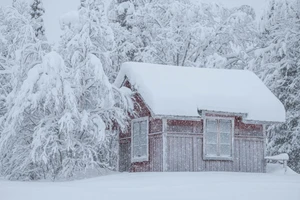
A cottage or cabin may be perfectly comfortable during summer and fall but completely unheated during the winter. Once the heating is turned off, the indoor environment can eventually reach outdoor temperatures.
This changes the winterization requirements significantly.
If you are closing a cottage for the season, do not wait for the first freezing night to decide what to do with the water heater.
Make tankless water heater winterization part of the property's closing checklist.
This can include shutting off the water supply, draining the appropriate plumbing, and following the manufacturer's recommended winterization instructions for the specific water heater.
Other plumbing systems at the property may also require winterization.
What Temperature Is Too Cold for a Tankless Water Heater?
There is no single temperature that can be used as a universal cutoff for every tankless water heater installation.
The actual risk depends on several factors, including whether the water heater is indoors or outdoors, whether the surrounding space is heated, how the plumbing is configured, whether electricity or gas remains available, and how long freezing conditions last.
A short overnight freeze can create different conditions from several days of sustained sub-freezing temperatures.
For that reason, homeowners should not rely solely on a single temperature number.
Instead, consider the overall conditions and follow the manufacturer's instructions for the specific model.
If a property will be unheated for an extended period, proper winterization is generally a more reliable approach than simply hoping temperatures will remain above freezing.
Don't Wait Until the First Freeze
One of the easiest mistakes homeowners can make is waiting until freezing weather has already arrived.
Winterization takes planning, particularly when a property is being closed for the season.
You may need time to gather supplies, turn off water, drain plumbing, and complete the appropriate steps for the water heater.
Completing these tasks before freezing weather arrives gives you more time to prepare the property properly.
A good rule of thumb is to begin thinking about winterization in early fall and complete it before your local forecast indicates sustained freezing conditions.
A Simple Canadian Winterization Rule
Instead of memorizing a different date for every province, Canadian homeowners can use this simple approach:
If the tankless water heater or its connected plumbing could be exposed to freezing temperatures, winterize it before sustained freezing weather is expected.
For seasonal properties, winterize before closing the property for winter.
For unheated garages and cabins, winterize before freezing conditions become a regular possibility.
For continuously heated homes, maintain adequate heat and make sure the water heater and plumbing are not exposed to freezing conditions.
For outdoor installations, follow the manufacturer's specific freeze-protection requirements.
This approach is more practical than assigning one universal winterization date to every Canadian homeowner.
Frequently Asked Questions
When should I winterize my tankless water heater?
You should winterize your tankless water heater before sustained freezing temperatures are expected, particularly if the water heater is located in an unheated area or the property will be vacant during winter.
What month should I winterize my tankless water heater in Canada?
There is no single month that works for all of Canada. Depending on the region, property type, and weather forecast, winterization may be necessary at different times during the fall. The safest approach is to complete the process before sustained freezing conditions are expected.
Do I need to winterize my tankless water heater if I live in it all winter?
Not necessarily. If the water heater is installed in a properly heated area and the home remains heated throughout winter, complete winterization may not be necessary. However, exposed plumbing and outdoor installations still need appropriate freeze protection.
Do cottages need tankless water heater winterization?
Yes, seasonal cottages and cabins should generally be winterized when they are being closed for the season, especially when the property will be unheated.
Can a tankless water heater freeze?
Yes. Water can remain inside portions of a tankless water heater and its connected plumbing, and freezing temperatures can potentially cause damage. Proper freeze protection and winterization can help reduce this risk.
Should I winterize before or after the first freeze?
Winterization should be completed before freezing conditions arrive. Waiting until after a freeze has already occurred may expose the water heater and plumbing to unnecessary risk.
Does every province in Canada have the same winterization date?
No. Canada has significant regional differences in climate. Even within a province, winter conditions can vary. Local weather forecasts and property conditions are more useful than relying on one fixed date.
What about a tankless water heater in an unheated garage?
An unheated garage can expose a water heater and its plumbing to freezing temperatures. If the garage will not remain safely heated throughout winter, follow the appropriate winterization procedure for the water heater before sustained freezing temperatures arrive.