 Weekly Deals
 Water Heaters
 Accessories
 Installation
 Parts
Parts
 Protection Plans


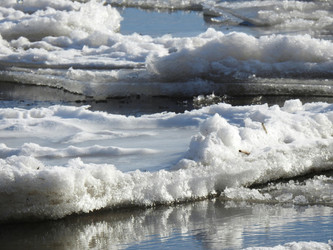


Cold Groundwater in Canada: Why Your Tankless Heater Needs to Work Harder (And How to Help It)
Canadian winters are known for freezing temperatures, snow-covered landscapes, and icy groundwater that can challenge even the most efficient home appliances. One of the biggest concerns homeowners face during the colder months is how freezing incoming water affects the performance of a tankless water heater. Many Canadians are surprised when their hot water feels inconsistent in winter or when their heater struggles to keep up during showers, laundry, or dishwashing. The reason often comes down to one overlooked factor: cold groundwater.
Understanding how groundwater temperature impacts performance can help homeowners make smarter decisions about maintenance, sizing, and daily use. If you have ever wondered why your heater seems to work perfectly in summer but feels less powerful in January, the answer lies beneath the ground itself.
This guide explains how cold groundwater tankless water heater Canada concerns affect efficiency, comfort, and energy use, while also sharing practical ways to improve performance during the harsh Canadian climate.
Why Groundwater Temperature Matters in Canada
Groundwater is the water flowing underground that eventually enters residential plumbing. During warmer months, incoming water temperatures are relatively mild. In many parts of Canada during summer, groundwater may arrive at around 15°C to 20°C. In winter, however, temperatures can drop dramatically, sometimes reaching as low as 2°C to 5°C depending on the province and local climate conditions.
This temperature difference plays a major role in how hard a tankless heater must work.
Unlike traditional storage tanks that continuously keep water heated, a tankless heater warms water instantly as it passes through the heat exchanger. That means the heater must raise the incoming water temperature to the desired output temperature in real time. The colder the incoming water, the more energy and heating power are required.
For example, if groundwater enters your home at 18°C during summer and you want hot water at 49°C, the heater needs to increase the temperature by 31 degrees. During a Canadian winter where groundwater enters at 4°C, the heater now needs to raise the temperature by 45 degrees. That is a significant increase in workload.
This is why homeowners in Canada often notice reduced flow rates or longer heating times during cold seasons.
How Tankless Heaters Respond to Extreme Cold
Tankless heaters are designed to deliver continuous hot water, but their performance depends heavily on temperature rise capacity. Temperature rise refers to the difference between incoming cold water and outgoing heated water.
When groundwater becomes extremely cold, the heater compensates by slowing water flow so it can heat the water adequately. This is why showers may feel weaker in winter even when the heater is operating properly.
In colder Canadian provinces such as Alberta, Manitoba, Saskatchewan, and parts of Ontario and Quebec, groundwater temperatures can create particularly demanding conditions. Homes in northern regions often experience the largest seasonal performance differences.
The challenge becomes even greater when multiple fixtures run simultaneously. If someone is showering while another person uses the dishwasher or washing machine, the heater may struggle to maintain consistent temperatures because it is already working at maximum capacity to warm freezing groundwater.
This does not necessarily mean the heater is defective. In many cases, it is simply responding to environmental conditions.
The Science Behind Temperature Rise
The concept of temperature rise is essential when discussing cold groundwater tankless water heater Canada performance.
A heater rated for high flow rates in warmer climates may produce significantly lower flow rates in Canadian winters. Manufacturers often publish performance charts showing how much water can be heated at specific temperature increases.
For instance, a heater capable of delivering 8 gallons per minute with a moderate temperature rise may only provide 4 to 5 gallons per minute when groundwater is near freezing.
This explains why sizing matters so much in Canada. A heater chosen based on summer performance expectations may not meet winter demand.
Many homeowners unknowingly purchase heaters designed for warmer climates, only to experience frustration during the coldest months of the year.
Signs Your Heater Is Struggling With Cold Groundwater
Several warning signs indicate your heater is working harder because of freezing groundwater temperatures.
One common symptom is fluctuating water temperature during showers. Water may alternate between hot and lukewarm as the heater adjusts output.
Another issue is reduced water pressure from hot taps. Since the heater may restrict flow to maintain target temperatures, hot water flow can feel weaker than cold water flow.
Longer wait times for hot water are also common in winter. Because the heater must raise the temperature significantly more than in summer, the process may take slightly longer.
Higher energy bills can also appear during cold seasons. The heater consumes more fuel or electricity while compensating for icy incoming water.
In severe cases, homeowners may hear the heater running more aggressively or continuously during heavy use periods.
Why Canada’s Climate Creates Unique Challenges
Canada presents some of the harshest operating conditions for tankless water heating. While these heaters are highly efficient, they must handle dramatic seasonal temperature shifts.
In warmer countries, groundwater temperatures remain relatively stable year-round. Canadian homeowners, however, may experience a swing of more than 15 degrees between summer and winter groundwater temperatures.
Rural homes can face additional difficulties because groundwater from private wells may become even colder during winter. Well water often remains colder than municipal supplies, increasing the heater’s workload further.
Outdoor installations can also create challenges. While outdoor tankless heaters are popular in some climates, Canadian winters can expose plumbing and internal components to freezing conditions if not properly protected.
Extreme cold also affects gas efficiency, venting performance, and pipe insulation. These factors combine to create demanding conditions unique to Canadian homes.
How to Help Your Tankless Heater During Canadian Winters
Fortunately, there are several ways homeowners can improve performance and reduce stress on their heater during periods of freezing groundwater.
One of the most effective solutions is reducing simultaneous hot water demand. Avoiding multiple hot water activities at the same time can help maintain consistent temperatures. Running the dishwasher after showers instead of during them can make a noticeable difference.
Another helpful approach involves lowering fixture flow rates. Modern low-flow showerheads reduce water consumption while maintaining comfort. Since less water passes through the heater, it becomes easier to achieve desired temperatures even during freezing conditions.
Regular maintenance also plays an important role. Mineral buildup inside the heat exchanger reduces heating efficiency and forces the heater to work harder. Annual flushing helps maintain strong performance, especially in areas with hard water.
Insulating exposed hot water pipes can further improve efficiency. Pipe insulation helps retain heat as water travels through the home, reducing temperature loss before water reaches faucets or showers.
Some homeowners also benefit from slightly adjusting thermostat settings during winter. Raising the output temperature modestly can help compensate for colder incoming water, although excessively high settings should be avoided for safety reasons.
The Importance of Proper Sizing in Canada
One of the biggest mistakes homeowners make is choosing a heater based solely on household size without considering groundwater temperatures.
In Canada, sizing should account for winter conditions, not summer performance. A heater that performs adequately in July may struggle during February cold snaps.
Professional installers typically calculate required flow rates alongside expected temperature rise. This helps ensure the heater can meet household demand even when groundwater temperatures reach seasonal lows.
Larger homes with multiple bathrooms often require higher-capacity heaters or even multiple heaters working together. Families with large soaking tubs, rainfall showers, or simultaneous appliance usage may especially benefit from more robust heating capacity.
Choosing the correct size from the beginning helps prevent frustration, improves comfort, and extends appliance lifespan.
Gas Versus Electric Performance in Cold Climates
Both gas and electric tankless heaters can operate effectively in Canada, but cold groundwater affects each differently.
Gas-powered models generally perform better in extremely cold climates because they produce higher heating output. This allows them to handle larger temperature rises more effectively.
Electric heaters, while energy-efficient and compact, may struggle with very cold groundwater unless they are specifically designed for high-demand applications. In some cases, electric models may require significant electrical upgrades to achieve adequate winter performance.
For many Canadian households, gas heaters remain the preferred option due to their stronger heating capabilities during freezing conditions.
However, electric technology continues improving, and modern high-capacity electric models are becoming more viable in certain regions.
Winter Maintenance Tips for Canadian Homeowners
Preventive care becomes especially important during winter months.
Checking air intake and exhaust vents helps ensure safe and efficient operation. Snow accumulation can obstruct airflow and reduce performance.
Homeowners should also monitor for frozen pipes, especially in garages, basements, crawl spaces, or exterior walls. Frozen plumbing restricts water movement and can damage the heater.
Keeping the heater area clean and accessible supports better airflow and maintenance access.
Scheduling professional inspections before winter arrives can help identify issues early. Technicians can descale the heat exchanger, inspect burners, verify venting, and confirm the heater is prepared for heavy seasonal demand.
These preventive measures improve reliability during the coldest periods of the year.
Energy Efficiency in Canadian Winters
Although tankless heaters work harder during winter, they still offer excellent efficiency advantages compared to traditional storage tanks.
Conventional tanks continuously reheat stored water throughout the day, even when no one is using hot water. Tankless technology eliminates this standby energy loss.
For Canadian homeowners concerned about rising utility costs, this efficiency remains valuable even during cold seasons.
However, understanding realistic winter expectations is important. Efficiency does not mean unlimited performance under every condition. Freezing groundwater naturally requires more energy input regardless of the heating method.
The goal is not to eliminate the effects of winter but to manage them effectively through proper sizing, maintenance, and usage habits.
Is a Tankless Heater Still Worth It in Canada?
Despite the challenges associated with cold groundwater, tankless heaters remain an excellent choice for many Canadian homes.
They provide endless hot water, occupy less space, and often deliver lower long-term operating costs. Modern models are increasingly designed with Canadian climates in mind, featuring freeze protection, advanced modulation, and higher heating capacities.
The key is choosing equipment appropriate for local conditions rather than assuming all heaters perform equally in extreme cold.
When properly selected and maintained, a tankless heater can provide reliable comfort even during harsh Canadian winters.
Understanding how cold groundwater tankless water heater Canada performance works allows homeowners to set realistic expectations and maximize efficiency throughout the year.
Conclusion
Cold Canadian groundwater dramatically affects how hard a tankless heater must work during winter. As incoming water temperatures plunge, the heater must deliver a much greater temperature rise to maintain comfortable hot water throughout the home.
This increased workload can reduce flow rates, raise energy usage, and create noticeable seasonal performance differences. However, these challenges can be managed effectively through proper sizing, regular maintenance, insulation, and mindful hot water usage.
Canadian homeowners who understand the relationship between groundwater temperature and heater performance are better prepared to enjoy reliable hot water year-round. Rather than viewing winter performance changes as equipment failure, it helps to recognize them as a normal response to one of the coldest climates in the world.
With the right preparation and realistic expectations, tankless heating technology continues to offer comfort, efficiency, and convenience even in the harshest Canadian winters.
Frequently Asked Questions (FAQ)
Why does my tankless heater perform differently in winter?
Winter groundwater temperatures in Canada become much colder, which means the heater must work harder to raise water to the desired temperature.
Can cold groundwater reduce water pressure?
Yes. Many heaters reduce flow rates during extreme cold so they can maintain consistent output temperatures.
Is gas better than electric for Canadian winters?
Gas-powered heaters generally handle cold groundwater more effectively because they provide higher heating output.
How can I improve winter performance?
Reducing simultaneous hot water use, insulating pipes, maintaining the heater regularly, and choosing the correct heater size can all improve winter performance.
Does cold groundwater damage tankless heaters?
Cold groundwater itself does not damage the heater, but freezing temperatures and poor maintenance can increase wear and reduce efficiency over time.