 Weekly Deals
 Water Heaters
 Accessories
 Installation
 Parts
Parts
 Protection Plans





Victoria Day Cottage Checklist: Is Your Water Heater Ready for the Season?
Every year across Canada, Victoria Day marks the unofficial start of cottage season. Families head north, lakeside cabins reopen, and vacation properties come back to life after months of cold weather and inactivity. For many cottage owners, the long weekend is filled with excitement, cleanup projects, dock installations, and preparing the property for summer guests. Yet one important detail often gets overlooked until there is a problem: the water heater.
Nothing disrupts a relaxing cottage weekend faster than discovering there is no hot water for showers, dishes, or cleaning. After sitting idle through freezing temperatures and months without use, many cottage water heaters require careful inspection before they are ready for another season. Victoria Day weekend is the perfect time to make sure everything is working properly before summer visitors arrive.
As searches for “cottage water heater Victoria Day Canada 2026” continue to rise, more cottage owners are realizing that seasonal preparation can help avoid expensive repairs, cold showers, and wasted weekends. Whether your property uses a traditional tank heater or a modern tankless option, preparing your hot water setup before peak summer use is one of the smartest cottage-opening tasks you can complete.
Why Cottage Water Heaters Need Seasonal Attention
Unlike year-round residential homes, cottages in Canada often sit unused through harsh winter conditions. Water lines may have been drained in the fall, electricity disconnected, or propane turned off. Months of freezing and thawing can create hidden wear that only becomes obvious once the property is reopened.
During winterization, many cottage owners drain their plumbing to prevent frozen pipes. However, small amounts of water can remain trapped inside valves, fittings, or heating components. Over time, this may lead to corrosion, mineral buildup, or damage from expanding ice. Even if everything appeared fine when the cottage was closed for winter, spring startup can reveal leaks or reduced heating performance.
Victoria Day weekend typically arrives when temperatures begin warming consistently across most of Canada. This timing makes it ideal for testing plumbing and restoring hot water service safely before the busy summer season fully begins.
Start With a Full Visual Inspection
Before restoring power or fuel to the heater, take time to inspect the surrounding area carefully. Look for signs of moisture, rust, disconnected fittings, or damage caused by rodents during winter storage. Small animals sometimes nest near warm appliances or chew wiring during colder months.
Examine all visible water connections and inspect the floor around the heater for puddles or stains. Even minor leaks can worsen quickly once pressure returns to the plumbing.
If your cottage uses propane, inspect the gas lines and connections closely. Check for cracked hoses, corrosion, or loose fittings. Any strong gas smell should be addressed immediately by a qualified professional before operating the heater.
Electrical connections should also be inspected for visible wear or damage. If breakers were turned off during winter, verify that the panel is dry and free from moisture before restoring electricity.
Flush Out Old Water and Sediment
One of the most important spring maintenance tasks is flushing the heater. Water that sits stagnant for months can collect sediment, bacteria, and mineral deposits. This buildup affects heating efficiency and water quality.
For cottages located in areas with hard water, sediment accumulation can happen even faster. Minerals settle at the bottom of the tank over time and create a barrier between the heating source and the water. As a result, the heater must work harder to produce hot water, increasing energy consumption and reducing performance.
Flushing the tank helps remove debris and allows fresh water to circulate through the plumbing. Cottage owners should also run faucets for several minutes to clear stale water from pipes before regular use resumes.
Tankless models also benefit from seasonal cleaning. Mineral scaling inside the heat exchanger can reduce flow rates and heating efficiency. Many manufacturers recommend periodic descaling to keep performance consistent throughout the summer.
Check for Freeze Damage
Canadian winters can be extremely unforgiving, especially in remote cottage areas where temperatures remain below freezing for extended periods. Even properly winterized plumbing can sometimes develop freeze-related damage.
When reopening the cottage, slowly restore water pressure and monitor the entire plumbing network carefully. Listen for unusual sounds and inspect exposed pipes for cracks or dripping water.
Pay close attention to valves near the heater, outdoor shower connections, and hidden plumbing under sinks or crawl spaces. Small fractures may not become obvious immediately but can worsen under continuous pressure.
If the heater itself shows signs of cracking, warping, or leaking, it may need professional servicing or replacement before summer use begins.
Test Water Pressure and Flow
Once water is restored, test every faucet and shower in the cottage. Weak flow may indicate sediment buildup, clogged aerators, partially closed valves, or hidden leaks somewhere in the plumbing.
Tankless water heaters rely on adequate water flow to activate properly. If flow rates are too low, the heater may fail to ignite consistently. Cottage owners sometimes mistake this for a heater malfunction when the issue actually originates from blocked plumbing or low pressure.
Testing multiple fixtures ensures the plumbing operates normally before guests arrive for the season.
Verify Hot Water Temperature
After restarting the heater, allow enough time for water to reach operating temperature. Then test hot water throughout the property.
If temperatures fluctuate dramatically or fail to stay consistent, the heater may require maintenance. In some cases, sediment buildup, faulty thermostats, or aging components reduce performance after years of seasonal use.
Extremely high temperatures can also create safety concerns, especially for children visiting the cottage during summer holidays. Most experts recommend keeping hot water temperatures at safe household levels to reduce scalding risks.
Consistent water temperature is particularly important for cottages hosting multiple guests over long weekends and summer vacations.
Propane Water Heaters and Cottage Living
Many Canadian cottages rely on propane because rural locations may not have natural gas access. Propane water heaters remain popular for off-grid and seasonal properties thanks to their reliable performance and fast heating capabilities.
Before the Victoria Day reopening, propane tanks should be inspected and refilled if necessary. Regulators and supply lines also deserve attention after winter exposure.
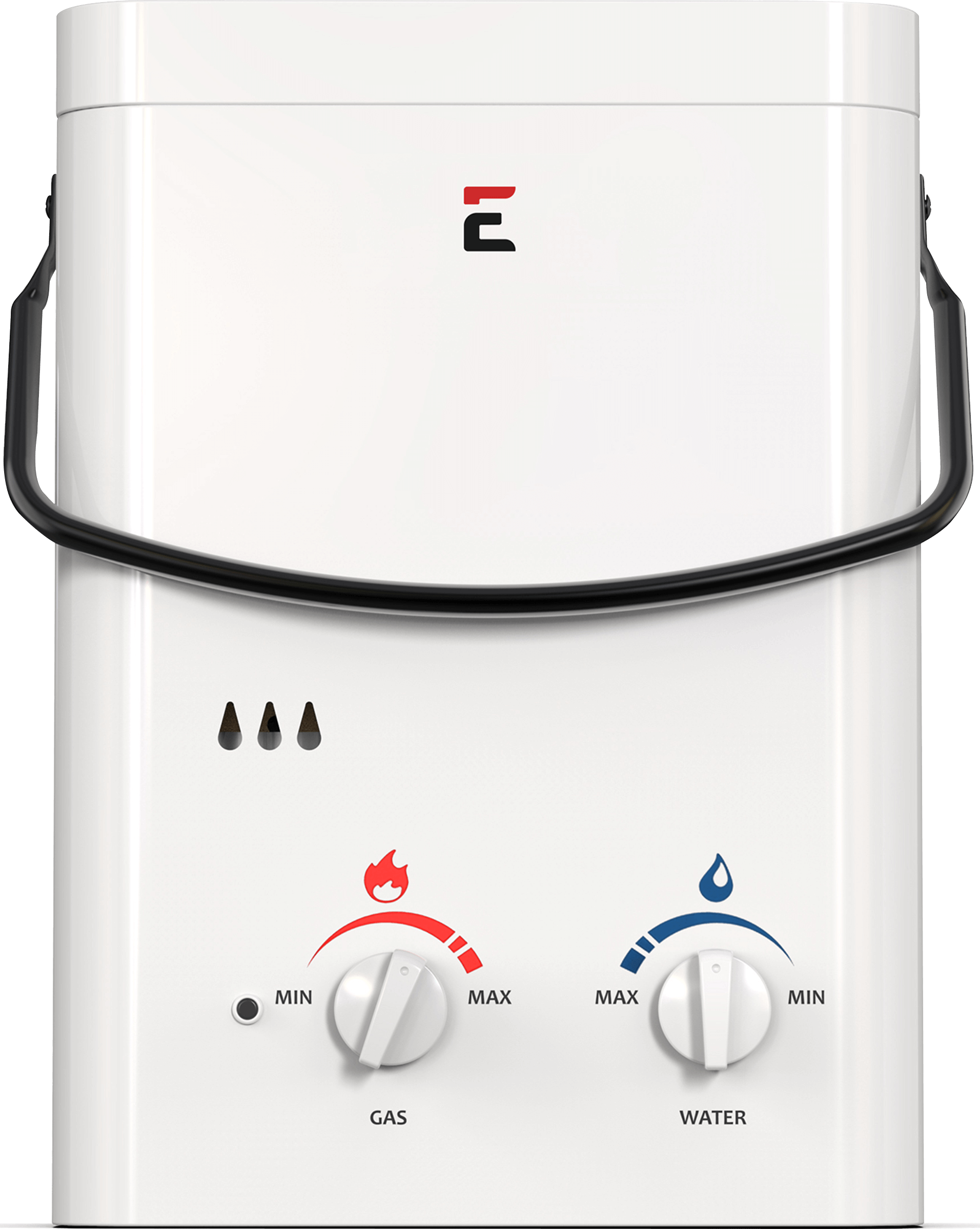
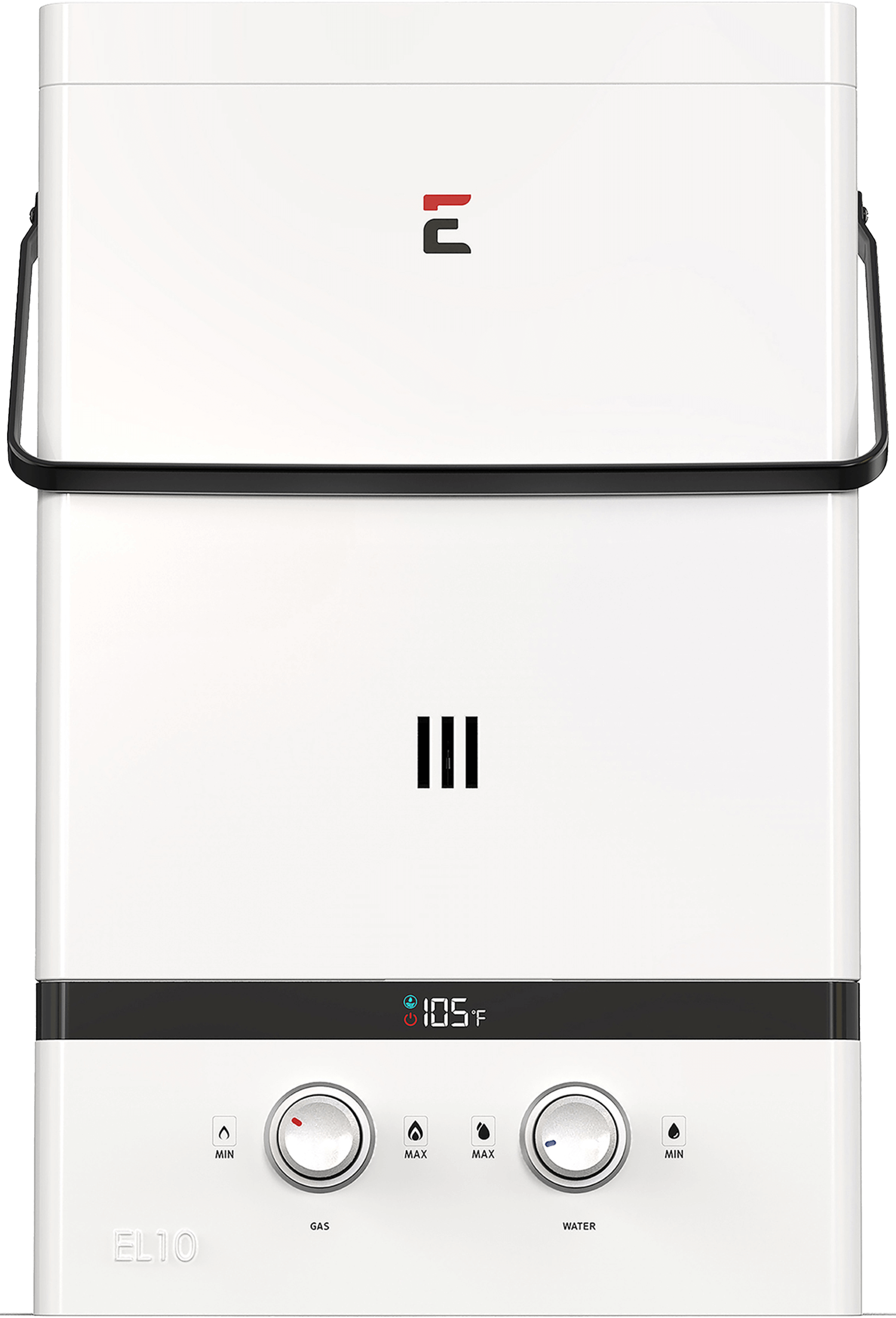
Portable and tankless propane models have become increasingly popular among cottage owners seeking flexible hot water solutions. These heaters often provide faster recovery times while reducing standby energy loss associated with traditional storage tanks.
For smaller cottages or cabins with limited space, compact tankless heaters offer another advantage: they only heat water when needed. This can help reduce fuel costs during weekends when occupancy varies.
Why Many Cottage Owners Are Switching to Tankless
Across Canada, more seasonal property owners are upgrading to tankless water heaters before summer. The appeal is especially strong for cottages where space efficiency and energy savings matter.
Traditional storage tanks continuously heat water even when nobody is at the property. Over months of seasonal inactivity, this can waste energy and increase operating costs if the heater remains active.
Tankless models provide hot water on demand, making them ideal for weekend properties and vacation homes. Because they do not store large volumes of water, they may also lower the risk of stagnant water concerns during periods of non-use.
Another advantage is convenience during busy summer weekends. Tankless heaters can often provide continuous hot water for multiple showers, dishwashing, and outdoor cleaning tasks without running out.
For cottage owners planning renovations or modernization projects in 2026, upgrading the water heater may significantly improve comfort and efficiency throughout the season.
Don’t Ignore Strange Noises
Popping, rumbling, or banging sounds from a water heater should never be ignored. These noises often indicate sediment buildup inside the tank or overheating caused by restricted water circulation.
At cottages, these issues sometimes go unnoticed because the property is only used seasonally. However, continued operation without maintenance may shorten the lifespan of the heater or increase the risk of breakdowns during peak summer use.
If unusual noises continue after flushing the heater, professional inspection may be necessary before relying on the appliance throughout the season.
Prepare for Summer Guests
Victoria Day often marks the beginning of frequent visitors, family gatherings, and extended weekends at the cottage. Increased occupancy naturally increases hot water demand.
A water heater that handled occasional use years ago may struggle with today’s larger groups, added bathrooms, outdoor showers, or expanded kitchens.
Before summer arrives in full swing, consider whether the current setup still matches your property’s needs. If guests frequently complain about cold showers or inconsistent water temperatures, it may be time to explore higher-capacity options.
Reliable hot water improves the overall cottage experience and helps avoid unnecessary stress during family vacations.
Energy Efficiency Matters More Than Ever
Energy prices remain a growing concern for many Canadians in 2026. Cottage owners are increasingly searching for ways to reduce fuel and electricity costs without sacrificing comfort.
Modern water heaters are designed with improved efficiency compared to older models installed decades ago. Better insulation, smarter temperature controls, and on-demand heating technologies help reduce unnecessary energy use.
Seasonal cottages especially benefit from efficient heating because occupancy patterns vary throughout the year. Using energy only when needed can help reduce operating expenses during the summer season.
For environmentally conscious cottage owners, upgrading to a more efficient heater may also lower environmental impact while improving convenience.
Signs It May Be Time for Replacement
Some cottage water heaters simply reach the end of their lifespan after years of seasonal operation. Common warning signs include rusty water, recurring leaks, inconsistent temperatures, reduced flow, or frequent repair needs.
Older storage tanks are especially vulnerable to corrosion after repeated winter draining and refilling cycles. If the heater is more than ten years old and requires regular servicing, replacement may become more cost-effective than continued repairs.
Victoria Day weekend is often when these aging appliances finally reveal problems after sitting dormant through winter. Replacing the heater before peak summer demand can help prevent emergency breakdowns later in the season.
Make Victoria Day Weekend More Relaxing
Opening the cottage should feel exciting, not stressful. Taking time to inspect and prepare the water heater helps create a smoother, more enjoyable summer experience for everyone.
Hot water supports nearly every aspect of cottage living, from morning showers to dishwashing after lakeside dinners. Reliable performance allows families to focus on relaxing, entertaining guests, and enjoying Canada’s beautiful summer season.
By inspecting plumbing, flushing the heater, checking for freeze damage, and ensuring safe operation during Victoria Day weekend, cottage owners can avoid many of the most common seasonal problems before they start.
As more Canadians prepare for another busy summer at the lake in 2026, water heater maintenance remains one of the smartest cottage-opening priorities. A little preparation in spring can lead to a far more comfortable and worry-free season ahead.
Frequently Asked Questions (FAQ)
Why is Victoria Day the best time to inspect a cottage water heater?
Victoria Day weekend usually marks the beginning of regular cottage use in Canada. Inspecting the heater at this time helps identify winter damage, leaks, or maintenance issues before summer occupancy increases.
Can freezing temperatures damage a cottage water heater?
Yes. Even after winterization, trapped water can freeze and expand inside plumbing or heater components, causing cracks or leaks.
How often should a cottage water heater be flushed?
Most experts recommend flushing at least once per year, especially in areas with hard water or seasonal use patterns.
Are tankless water heaters good for cottages?
Yes. Tankless heaters are popular for cottages because they provide hot water on demand, reduce standby energy use, and save space.
What are signs that a cottage water heater needs replacement?
Common signs include rusty water, leaks, inconsistent temperatures, unusual noises, and reduced heating performance.
Should propane connections be inspected every spring?
Yes. Propane lines, regulators, and fittings should always be checked before reopening the cottage after winter.