 Weekly Deals
 Water Heaters
 Accessories
 Installation
 Parts
Parts
 Protection Plans





End-of-Winter Water Heater Check: How to Prep Your System for Spring in Canada
As winter slowly fades and temperatures begin to rise across Canada, homeowners start turning their attention to spring home maintenance. While many people focus on tasks like cleaning gutters, checking roofs, and preparing outdoor spaces, one important system often gets overlooked: the water heater. After months of working overtime during freezing temperatures, your hot water system deserves a careful inspection to ensure it continues operating efficiently in the coming seasons.
Canadian winters are particularly demanding on water heating systems. Cold groundwater, increased hot water usage, and harsh outdoor conditions all place additional stress on equipment. If your home uses a tankless system, performing a proper end-of-winter inspection and maintenance routine can help extend its lifespan, improve efficiency, and prevent costly repairs.
This guide will walk you through the most important steps for spring water heater maintenance in Canada, with a special focus on how to prepare your tankless water heater system for the warmer months ahead.
Why Winter Is Tough on Water Heaters in Canada
Water heaters in Canada face unique challenges compared to those in warmer climates. During winter, incoming water temperatures drop significantly. In many regions, groundwater temperatures can fall close to freezing, forcing water heaters to work harder to raise the temperature to a comfortable level.
This increased workload means your system operates more frequently and for longer periods throughout the winter season. At the same time, households tend to use more hot water during colder months for showers, laundry, and dishwashing. The combination of higher demand and colder input water can place extra strain on internal components.
For homeowners using a tankless water heater, this added workload is particularly noticeable because the system heats water instantly as it flows through the water heater. When incoming water is extremely cold, the heater must generate more energy to achieve the desired temperature.
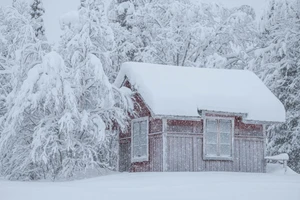
Snow, ice, and freezing conditions can also affect outdoor installations, ventilation systems, and water lines connected to the heater. Over time, these environmental factors can lead to sediment buildup, reduced efficiency, or minor wear that should be addressed before spring fully arrives.
Performing seasonal maintenance helps ensure your water heater continues operating safely and efficiently as temperatures begin to moderate.
Why Spring Is the Perfect Time for Water Heater Maintenance
Spring is an ideal time to perform maintenance on your water heater because your system is transitioning from the heavy workload of winter to the more moderate demands of warmer seasons.
During March and early spring, homeowners can take advantage of milder temperatures to inspect outdoor components, flush the system, and check for any damage that may have occurred during winter. Catching small issues early can prevent them from turning into larger problems later in the year.
Spring maintenance also prepares your system for upcoming seasonal activities. As the weather improves, many Canadians begin outdoor projects, gardening, and home improvements that may require hot water. Ensuring your water heater is functioning properly means you can rely on consistent hot water for these tasks.
For households using an Eccotemp tankless water heater, seasonal maintenance helps maintain the performance and reliability that tankless systems are known for.
Start with a Visual Inspection of Your Water Heater
One of the simplest yet most important maintenance steps is performing a visual inspection of your water heater. This step allows you to identify any obvious issues that may have developed during the winter months.
Begin by examining the exterior of the water heater. Look for signs of corrosion, leaks, or loose connections around pipes and fittings. Even small drips can indicate worn seals or connections that need tightening.
If your tankless water heater is installed outdoors or in an exposed area, check for any debris that may have accumulated around the system. Snow, leaves, and dirt can sometimes block vents or airflow pathways, which may affect performance.
Inspect the water lines connected to the heater to ensure insulation remains intact. In colder regions of Canada, pipe insulation helps protect plumbing from freezing during winter. If the insulation has shifted or deteriorated, replacing it before next winter is a good preventive measure.
A careful visual inspection only takes a few minutes but can reveal issues that might otherwise go unnoticed.
Check for Mineral and Sediment Buildup
Mineral buildup is a common issue in many Canadian regions due to hard water. Over time, minerals such as calcium and magnesium accumulate inside water heaters, reducing efficiency and restricting water flow.
In tankless systems, mineral deposits can build up within the heat exchanger, making it harder for the system to transfer heat efficiently. When this happens, the heater may use more energy to achieve the same water temperature.
Spring is an excellent time to check for signs of scale buildup. Reduced water pressure, inconsistent water temperature, or longer heating times can all indicate the presence of mineral deposits.
Regular descaling helps maintain the efficiency of your tankless water heater winter prep CA routine and ensures the system continues delivering reliable hot water throughout the year.
Flush and Descale Your Tankless Water Heater
Flushing your tankless water heater is one of the most effective ways to remove mineral deposits and restore efficiency. This process involves circulating a descaling solution through the heat exchanger to break down accumulated scale.
Many manufacturers recommend flushing tankless systems at least once a year, although homes with harder water may benefit from more frequent maintenance. Performing this procedure in early spring helps eliminate mineral buildup caused by increased winter usage.
During the flushing process, a pump circulates a cleaning solution through the heater while the system is temporarily disconnected from the main water supply. The solution dissolves mineral deposits and flushes them out of the system.
After the flushing process is complete, the system is rinsed with clean water before being returned to normal operation. This routine helps maintain heat transfer efficiency and supports the long-term durability of your Eccotemp Canada spring maintenance plan.
Inspect Water Filters and Inlet Screens
Tankless water heaters typically include small inlet filters or screens designed to prevent debris from entering the system. Over time, these filters can accumulate sediment or particles from the water supply.
A clogged inlet filter may reduce water flow, affecting the heater’s ability to produce consistent hot water. Spring maintenance is a great time to remove and clean these components.
Cleaning the filter usually involves turning off the water supply, removing the filter from the inlet valve, and rinsing it under clean water to remove any trapped debris. Once cleaned, the filter can be reinstalled and the water supply restored.
Keeping filters clean allows the system to operate smoothly and helps prevent unnecessary strain on internal components.
Examine Ventilation and Airflow
Proper ventilation is essential for safe and efficient operation of gas-powered tankless water heaters. Vent pipes allow exhaust gases to exit the home safely, preventing dangerous buildup of combustion byproducts.
During winter, snow accumulation, ice, or debris may partially block ventilation pathways. As part of your end-of-winter inspection, check vent pipes and air intake openings to ensure they are clear and unobstructed.
Look for signs of damage, corrosion, or loose vent connections. If you notice anything unusual, it may be best to contact a professional technician for a more detailed inspection.
Maintaining proper ventilation ensures the heater operates safely and efficiently throughout the spring and summer months.
Test Your Water Temperature and Pressure
Another important step in spring maintenance is testing your water temperature and pressure. These checks help confirm that your system is operating within recommended parameters.
Run hot water from a faucet and observe how quickly the system produces hot water. Tankless heaters should provide hot water almost instantly once the flow begins.
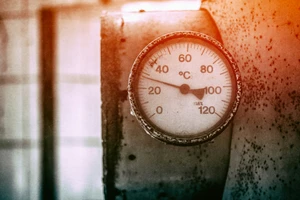
Use a thermometer to verify that the water temperature matches your system’s settings. If the temperature fluctuates or fails to reach the desired level, the system may require calibration or additional maintenance.
Checking water pressure is also important. Extremely high or low pressure can affect system performance and potentially damage plumbing components.
Consider Installing a Water Softener
If mineral buildup is a recurring issue in your home, installing a water softener may significantly reduce scale accumulation inside your water heater.
Water softeners remove calcium and magnesium minerals from the water supply before it reaches plumbing fixtures and appliances. By reducing mineral content, softeners help prevent scale formation in heat exchangers and other internal components.
While a water softener represents an upfront investment, it can extend the lifespan of appliances and reduce maintenance requirements over time. For many Canadian households, this upgrade is a practical way to support long-term spring water heater maintenance Canada strategies.
Schedule a Professional Inspection if Needed
Although many maintenance steps can be performed by homeowners, scheduling a professional inspection once a year can provide additional peace of mind.
Professional technicians can conduct a thorough examination of internal components, test system performance, and ensure that safety features are functioning correctly. They can also identify early signs of wear that might not be visible during a basic visual inspection.
For homeowners with complex installations or outdoor tankless systems, professional maintenance may help ensure optimal performance year-round.
Preparing Your Water Heater for the Warmer Months
Once the inspection and maintenance steps are complete, your water heater should be ready for the transition into spring and summer.
Warmer incoming water temperatures will reduce the workload on your system, improving energy efficiency and helping the heater operate more smoothly. With winter stress behind it and fresh maintenance completed, your tankless water heater can continue delivering reliable hot water for everyday household needs.
Seasonal maintenance also supports the long-term durability of your system. By removing mineral buildup, ensuring proper airflow, and confirming system settings, you help protect your investment and maintain consistent performance.
For homeowners using Eccotemp tankless water heaters, this simple spring routine helps ensure the system remains efficient, reliable, and ready for the year ahead.
Frequently Asked Questions (FAQ)
Why is spring maintenance important for water heaters in Canada?
Spring maintenance helps identify any damage or wear caused by winter conditions. Canadian winters place extra strain on water heaters due to colder groundwater temperatures and increased hot water usage. Inspecting and flushing the system in spring ensures it operates efficiently for the rest of the year.
How often should a tankless water heater be flushed?
Most manufacturers recommend flushing a tankless water heater once per year. However, homes with hard water may need more frequent descaling to prevent mineral buildup.
Can mineral buildup affect tankless water heater performance?
Yes. Mineral deposits inside the heat exchanger can reduce heating efficiency and restrict water flow. Regular descaling helps maintain optimal performance.
Is professional maintenance required for tankless water heaters?
While many maintenance tasks can be performed by homeowners, a professional inspection once a year can help identify potential issues and ensure the system operates safely.
Do tankless water heaters require less maintenance than traditional tanks?
Tankless systems generally require less maintenance overall, but annual flushing and inspection are still recommended to maintain efficiency and extend the lifespan of the water heater.