 Weekly Deals
 Water Heaters
 Accessories
 Installation
 Parts
Parts
 Protection Plans




National Indigenous Peoples Day & Outdoor Season: Best Portable Water Heaters for Remote Canadian Adventures
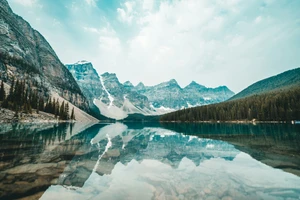
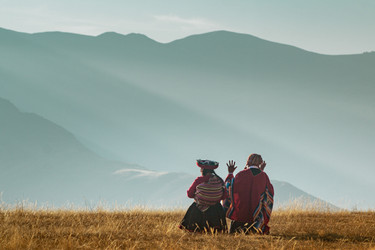
As June arrives across Canada, outdoor enthusiasts eagerly prepare for another season of exploration. From the rugged mountains of British Columbia to the remote lakes of Ontario, the vast wilderness offers endless opportunities for camping, fishing, hunting, hiking, and off-grid living. At the same time, National Indigenous Peoples Day on June 21 encourages Canadians to celebrate the rich cultures, traditions, and deep connection to the land that Indigenous communities have maintained for generations.
This combination of outdoor recreation and cultural appreciation has also increased interest in practical gear that makes remote adventures more comfortable and sustainable. One product receiving significant attention in 2026 is the portable water heater. Whether travelers are spending a weekend at a remote campsite, embarking on an extended overlanding journey, or maintaining a seasonal cabin far from municipal services, reliable access to hot water can dramatically improve the outdoor experience.
As searches for a portable water heater remote outdoor Canada 2026 continue to rise, more Canadians are discovering how these innovative appliances can provide comfort without sacrificing mobility or independence. Understanding what makes a portable water heater ideal for Canadian conditions can help outdoor enthusiasts make informed decisions before heading into the wilderness this summer.
Why Portable Water Heaters Are Gaining Popularity in Canada
Canada's outdoor culture continues to grow year after year. Families are spending more time camping, retirees are embracing RV travel, and younger adventurers are exploring off-grid lifestyles inspired by social media and outdoor influencers. Many Canadians are also seeking opportunities to disconnect from urban environments and reconnect with nature.
While outdoor adventures offer incredible rewards, they often come with challenges. Access to hot water is one of the most common concerns in remote locations. Traditional campground facilities may be unavailable, seasonal, crowded, or located far from campsites. Remote cabins and hunting lodges frequently lack permanent plumbing infrastructure. Even well-equipped RV travelers often seek flexible solutions that work beyond designated campgrounds.
Portable water heaters address these challenges by providing instant hot water wherever a suitable water source and fuel supply are available. This convenience allows travelers to enjoy warm showers, wash dishes effectively, clean equipment, and maintain better hygiene throughout their trips.
As more Canadians prioritize comfort during outdoor adventures, portable water heaters have become an increasingly valuable addition to camping and off-grid gear collections.
The Importance of Hot Water During Remote Adventures
Many people underestimate the value of hot water until they spend several days in the wilderness. While cold water may be manageable for short excursions, extended outdoor stays often highlight the benefits of reliable heating.
A warm shower can improve comfort after long hikes, fishing trips, or physically demanding outdoor activities. Hot water also helps remove dirt, sweat, and insect repellents more effectively than cold water alone. This can contribute to a more pleasant and hygienic experience, especially during multi-day adventures.
Dishwashing is another important consideration. Grease and food residue are easier to remove using warm water, helping maintain cleanliness around campsites and reducing the risk of attracting wildlife.
For families traveling with young children, hot water becomes even more valuable. Parents often appreciate the ability to clean up after outdoor activities, prepare warm baths, or handle unexpected messes more efficiently.
During cooler evenings or early mornings, access to hot water can also provide additional comfort in Canada's variable climate. Even during summer, temperatures in many regions can drop significantly overnight.
What Makes a Portable Water Heater Ideal for Canadian Conditions
Canada's geography presents unique challenges that influence the selection of outdoor equipment. Portable water heaters designed for remote Canadian adventures should be capable of performing reliably across a wide range of environments.
Durability is one of the most important factors. Outdoor enthusiasts frequently travel on rough roads, transport equipment over long distances, and expose gear to changing weather conditions. A well-built portable water heater should withstand frequent transportation and outdoor use.
Cold-weather performance is another critical consideration. While most camping takes place during warmer months, Canadian evenings and shoulder seasons can still bring chilly temperatures. Equipment designed to operate effectively in cooler environments provides greater flexibility for adventurers.
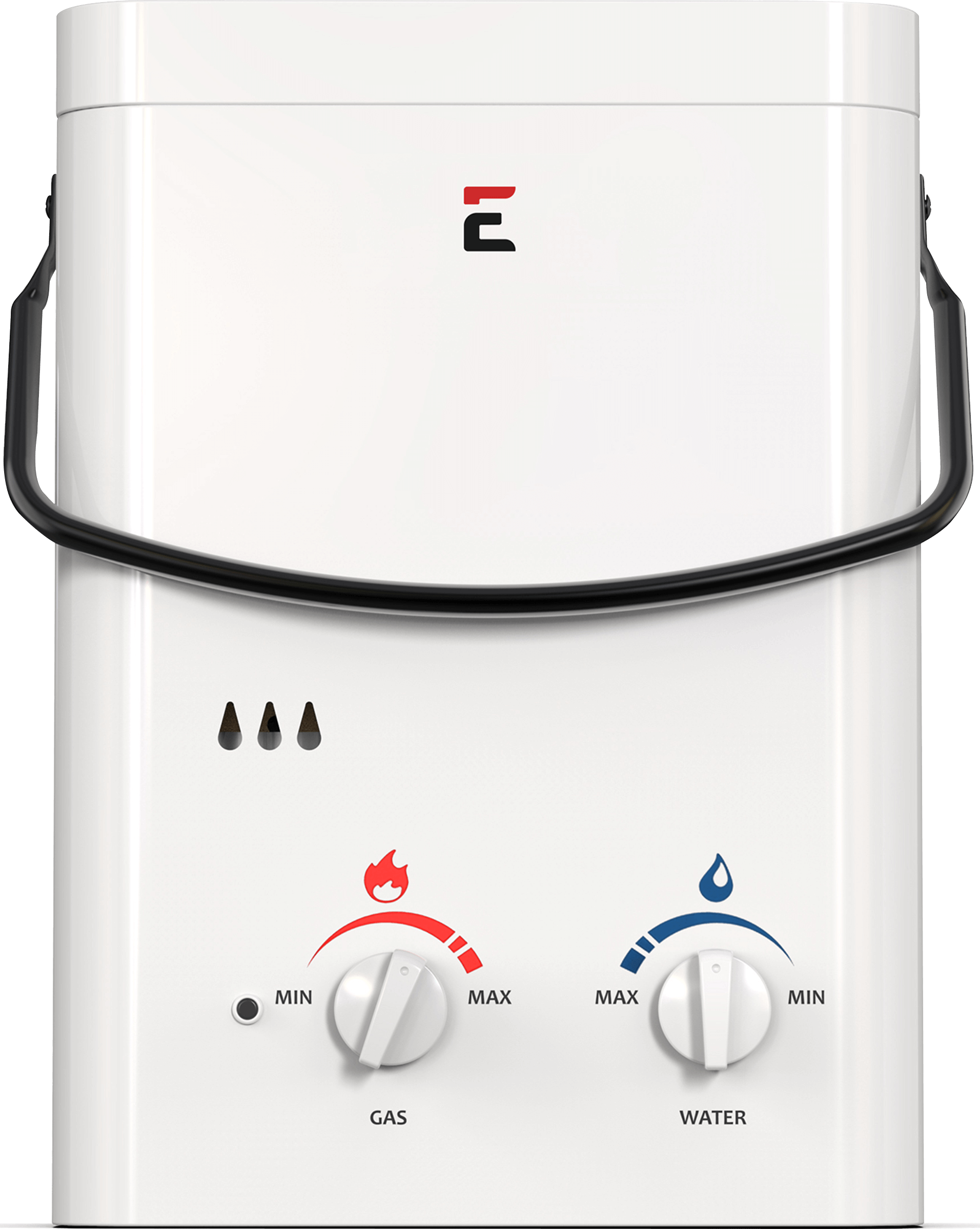
Portability remains essential. Travelers often need equipment that is easy to transport, store, and set up. Compact designs can fit more easily into vehicles, RV storage compartments, boats, or cabin spaces.
Efficiency also matters, particularly in remote locations where fuel availability may be limited. A portable water heater that heats water quickly while conserving propane can help extend outdoor trips and reduce operating costs.
Ease of use is equally important. Outdoor enthusiasts generally prefer appliances that require minimal setup and provide reliable performance without complicated procedures.
Popular Uses for Portable Water Heaters in Canada
One reason portable water heaters have become increasingly popular is their versatility. They serve a wide variety of outdoor lifestyles and recreational activities.
Camping remains one of the most common applications. Campers can enjoy warm showers and improved sanitation even when staying at primitive sites with limited facilities.
Overlanding enthusiasts frequently rely on portable water heaters during long-distance expeditions through remote terrain. Since these journeys often involve extended stays away from developed campgrounds, having access to hot water enhances overall comfort.
Fishing and hunting camps also benefit significantly from portable heating solutions. After spending hours outdoors in varying weather conditions, many outdoor enthusiasts appreciate the ability to enjoy a warm shower or wash gear thoroughly.
Remote cabins and seasonal retreats represent another growing market. Property owners often seek practical ways to provide hot water without investing in permanent infrastructure, particularly in locations that are only occupied periodically.
Boaters and outdoor event organizers also find value in portable water heaters for cleaning, food preparation, and personal hygiene needs.
Respecting Nature During Outdoor Adventures
National Indigenous Peoples Day serves as a meaningful reminder of the importance of respecting and protecting the natural environment. Indigenous communities throughout Canada have long emphasized stewardship, sustainability, and responsible interaction with the land.
Modern outdoor enthusiasts can apply many of these principles when planning remote adventures. Choosing equipment that promotes efficient resource use aligns with broader environmental goals while helping preserve Canada's natural beauty for future generations.
Portable water heaters can contribute to responsible outdoor practices when used properly. Efficient heating reduces unnecessary fuel consumption and minimizes resource waste. Travelers should always follow Leave No Trace principles, ensure proper wastewater management, and avoid disrupting local ecosystems.
Responsible outdoor recreation includes respecting Indigenous lands, cultural sites, and traditional territories. Learning about the history and significance of the areas being visited can deepen appreciation for Canada's diverse landscapes and communities.
As Canadians celebrate National Indigenous Peoples Day, many outdoor enthusiasts are combining recreation with education, cultural awareness, and environmental responsibility.
Features to Look for When Choosing a Portable Water Heater
Selecting the right portable water heater requires evaluating several important features based on individual needs and travel styles.
Flow rate plays a major role in determining performance. Higher flow rates generally provide a more comfortable shower experience and can accommodate multiple tasks simultaneously.
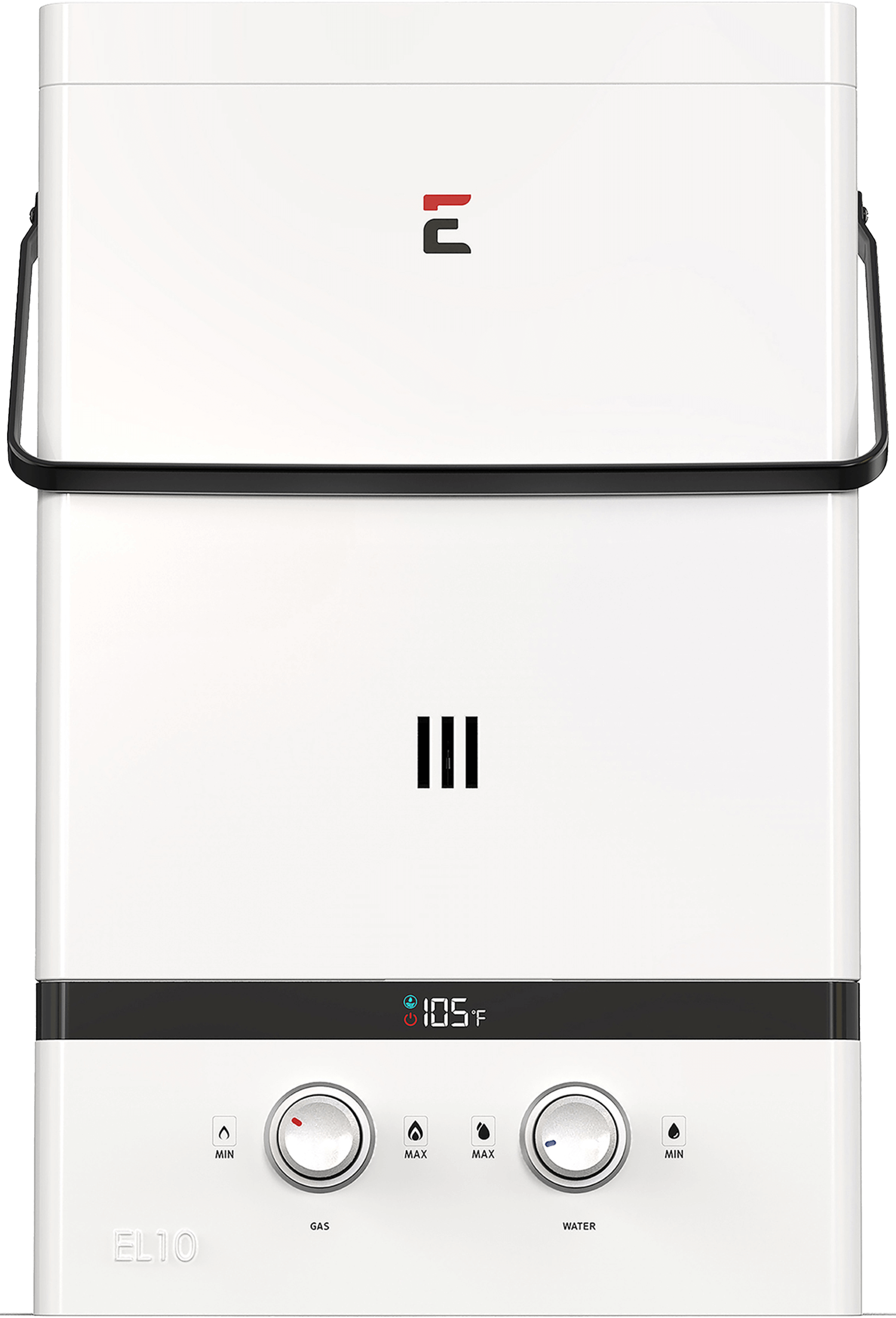
Temperature control is another valuable feature. Precise adjustment capabilities allow users to achieve comfortable water temperatures regardless of environmental conditions.
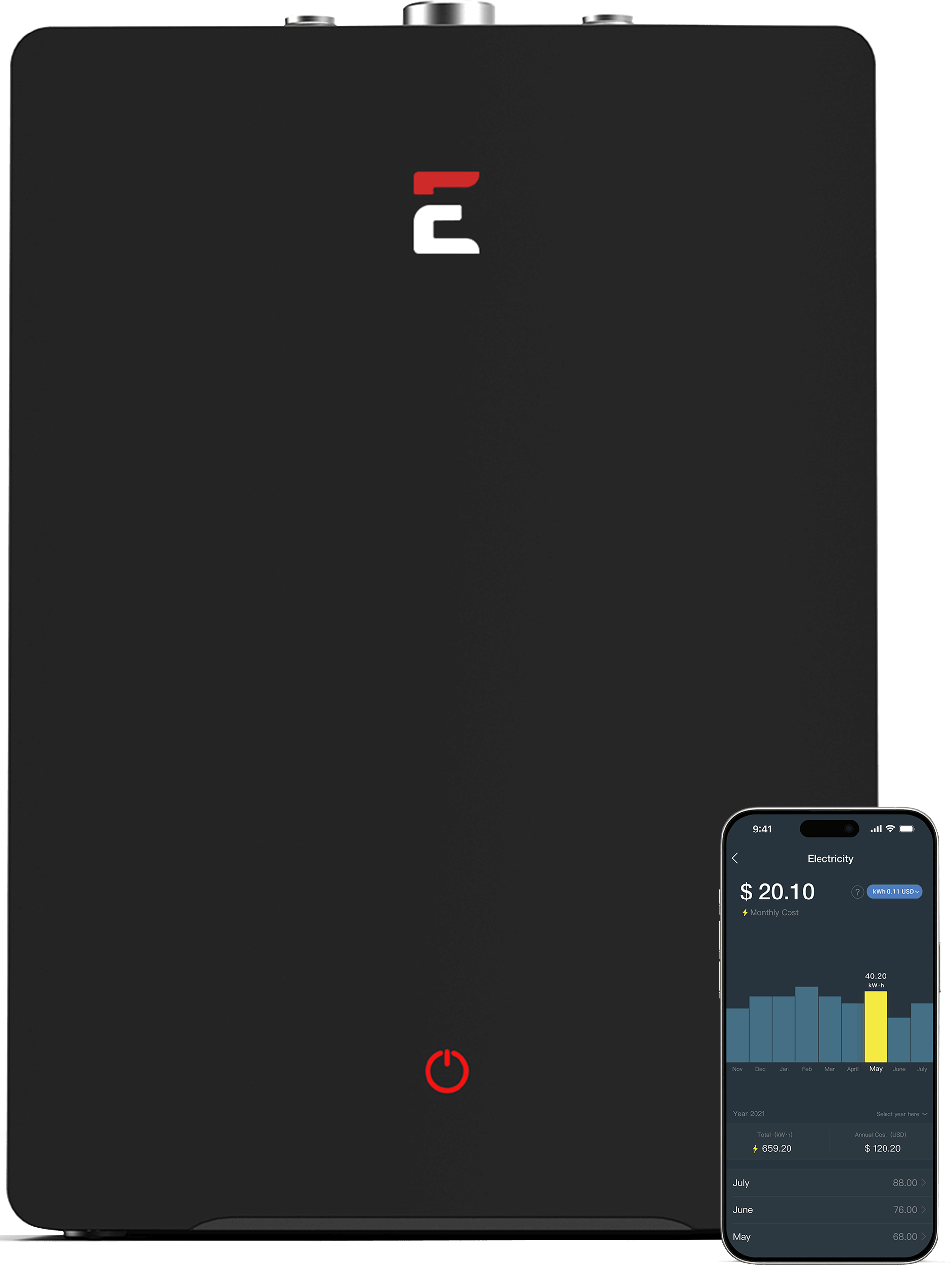
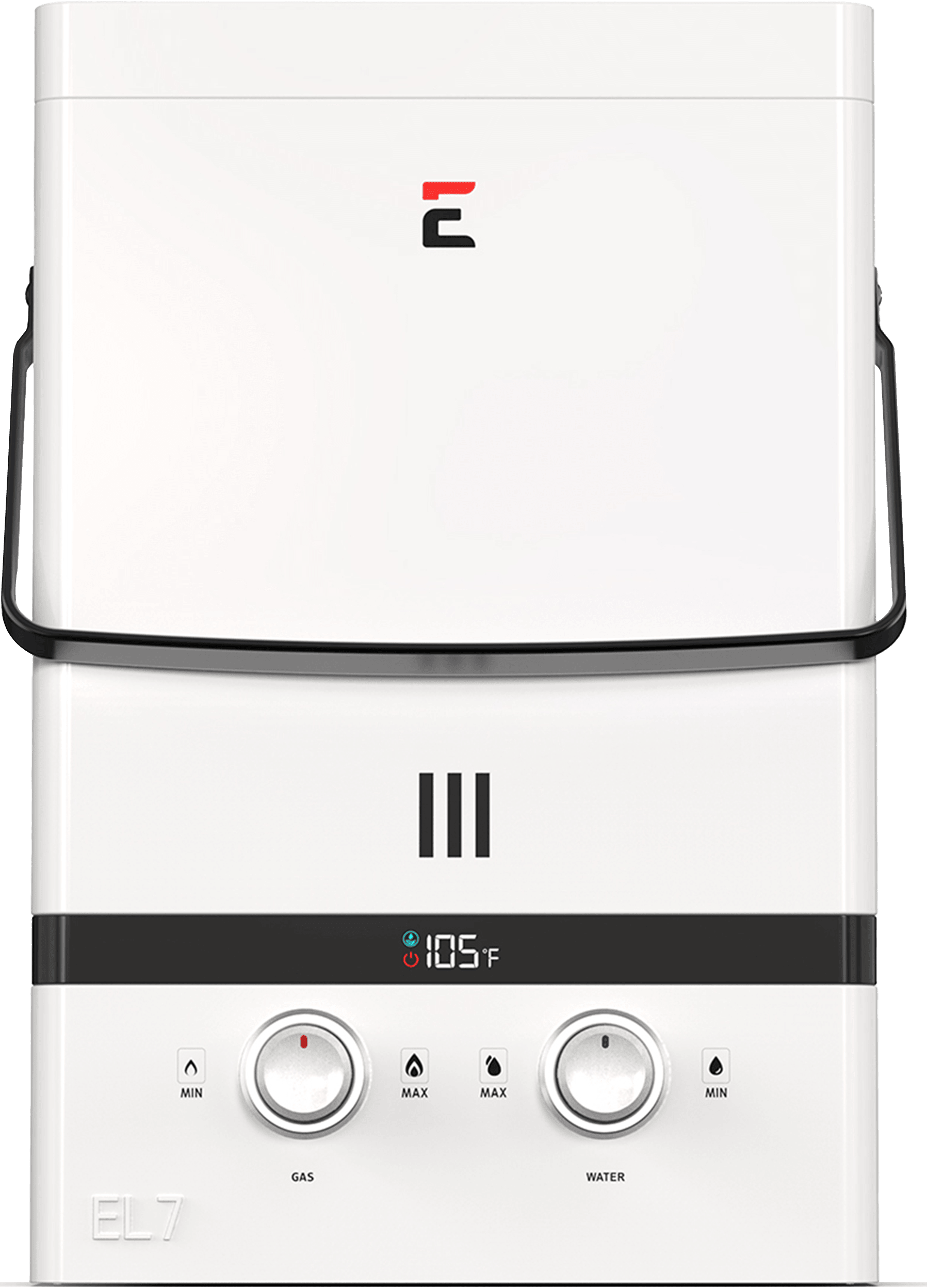
Digital displays have become increasingly common in newer models. These displays can simplify operation by providing temperature readings and performance information at a glance.
Safety features are essential for outdoor use. Automatic shutoff mechanisms, flame monitoring, and overheating protection can provide additional peace of mind.
Battery-powered ignition offers convenience in remote locations where electrical connections may not be available.
Lightweight construction can significantly improve portability, especially for travelers who frequently move between locations.
Weather-resistant materials may also enhance durability and extend product lifespan in challenging outdoor environments.
Why Portable Water Heaters Are Trending in 2026
Several factors have contributed to rising interest in portable water heaters throughout 2026.
Outdoor recreation continues to experience strong growth across Canada. Many people are prioritizing experiences over material purchases and seeking opportunities to explore nature more frequently.
Remote work flexibility has also encouraged longer outdoor trips. Some Canadians are spending weeks or even months traveling while maintaining professional responsibilities from remote locations.
Growing awareness of off-grid living has further increased demand for practical outdoor solutions. Social media content featuring van life, overlanding, and wilderness exploration continues to inspire new audiences.
Technological improvements have made portable water heaters more efficient, compact, and user-friendly than earlier generations. Modern designs offer enhanced reliability while maintaining portability.
Increased interest in emergency preparedness has also influenced purchasing decisions. Some homeowners view portable water heaters as valuable backup resources during power outages, natural disasters, or temporary service interruptions.
These combined trends have made portable water heaters one of the most sought-after outdoor comfort upgrades for Canadian adventurers in 2026.
Planning Your Summer Adventure
With outdoor season in full swing, now is an ideal time for Canadians to prepare for upcoming adventures. Whether exploring provincial parks, visiting remote lakes, embarking on backcountry expeditions, or spending time at off-grid cabins, thoughtful planning can enhance safety and enjoyment.
Portable water heaters can play a significant role in creating a more comfortable outdoor experience. Access to reliable hot water supports better hygiene, improves convenience, and helps travelers maintain many of the comforts of home while enjoying Canada's wilderness.
As National Indigenous Peoples Day approaches, outdoor enthusiasts also have an opportunity to reflect on the importance of respecting the land and learning from the cultures that have cared for these landscapes for generations.
Combining modern outdoor technology with responsible recreation allows Canadians to enjoy unforgettable adventures while preserving the natural environments that make the country such a remarkable destination.
Conclusion
The growing popularity of the portable water heater remote outdoor Canada 2026 trend reflects changing priorities among Canadian outdoor enthusiasts. Comfort, convenience, sustainability, and flexibility have become increasingly important for campers, overlanders, cabin owners, and off-grid travelers.
Portable water heaters offer a practical solution for accessing hot water in remote environments, helping adventurers enjoy cleaner, more comfortable experiences without sacrificing mobility. Their versatility makes them valuable companions for a wide range of outdoor activities across Canada's diverse landscapes.
As Canadians celebrate National Indigenous Peoples Day and embrace another exciting outdoor season, investing in reliable equipment can help make every adventure safer, more enjoyable, and more memorable. With the right portable water heater, remote destinations become more accessible, allowing travelers to fully appreciate the beauty and freedom of Canada's wilderness while maintaining the comforts that enhance life outdoors.
Frequently Asked Questions (FAQ)
What is the best portable water heater for remote outdoor adventures in Canada?
The best portable water heater depends on your travel style, fuel preferences, water usage needs, and weather conditions. Look for durable, efficient models with reliable temperature control and safety features suitable for Canadian outdoor environments.
Can a portable water heater be used at remote campsites?
Yes. Portable water heaters are specifically designed for locations where traditional hot water access is unavailable. They are commonly used at remote campsites, fishing camps, hunting lodges, and off-grid cabins.
Are portable water heaters suitable for Canadian summers?
Absolutely. Portable water heaters are popular during Canadian summers because they provide comfortable showers, easier dishwashing, and improved hygiene during extended outdoor trips.
Do portable water heaters work for off-grid cabins?
Yes. Many cabin owners use portable water heaters as a practical way to access hot water without installing permanent infrastructure, especially in seasonal or remote locations.
Why are portable water heaters trending in Canada in 2026?
Growing interest in camping, overlanding, off-grid living, remote work travel, and outdoor recreation has increased demand for portable water heaters. Improved technology and greater focus on outdoor comfort have also contributed to their popularity.
How can outdoor travelers use portable water heaters responsibly?
Travelers should follow Leave No Trace principles, manage wastewater properly, use fuel efficiently, and respect local ecosystems and Indigenous lands while enjoying outdoor adventures.