 Weekly Deals
 Water Heaters
 Accessories
 Installation
 Parts
Parts
 Protection Plans



Spring Setup Guide: Turning Your Cabin Water System Back On the Right Way
Introduction: A Fresh Start for Your Cabin Water System
As winter fades and temperatures begin to rise across Canada, cabin owners begin the annual ritual of reopening their seasonal retreats. One of the most important tasks during this transition is restoring the water system safely and correctly. After months of freezing temperatures, your plumbing system needs more than just a quick turn of a valve. A careful and methodical approach ensures that everything runs smoothly while preventing costly damage.
A proper cabin water setup, Canada spring process is essential for maintaining the longevity of your system and ensuring a comfortable experience throughout the season. Whether your cabin relies on a well, lake intake, or stored water supply, understanding how to bring everything back online the right way will save time, money, and frustration.
Modern solutions such as portable tankless water heaters, especially from trusted brands like Eccotemp, have transformed how cabin owners approach seasonal setup. These systems provide reliable hot water on demand and are particularly well-suited for properties that are not used year-round.
Understanding Winter’s Impact on Cabin Plumbing
Canadian winters can be unforgiving, and even well-prepared systems can experience wear during months of freezing conditions. Water expands when frozen, and any remaining moisture inside pipes or fixtures can cause cracks or weakened joints. These issues may not be immediately visible but can quickly become problematic once water pressure is restored.
In addition to potential structural damage, inactivity can also affect components such as pumps, valves, and seals. Rubber seals may dry out, connections can loosen, and debris may accumulate in pipes and filters. These factors make it critical to approach spring startup with caution rather than rushing to restore water flow.
Taking the time to understand how winter has affected your system allows you to address potential problems early and avoid unexpected breakdowns during your stay.
Begin with a Thorough System Inspection
Before turning anything on, a comprehensive inspection is necessary. Walk through your cabin and carefully examine all visible plumbing lines. Look for cracks, bulges, or discoloration that may indicate damage. Pay close attention to joints and connectors, as these areas are more vulnerable to stress.
Check faucets, showerheads, and outdoor connections to ensure they are intact and properly secured. If your cabin includes a pump system, inspect the pump housing and electrical connections for signs of wear or corrosion.
This is also an excellent time to evaluate your water heating setup. Traditional storage heaters often suffer from sediment buildup or internal corrosion after long periods of inactivity. In contrast, modern tankless water heaters tend to handle seasonal use more effectively due to their compact design and reduced water retention.
Reconnecting Your Water Source Safely
Once you are confident that your system is in good condition, the next step is reconnecting your water source. Whether you draw water from a well, lake, or storage tank, ensure that all intake lines are properly connected and free from obstructions.
For lake-fed systems, check the intake line for debris such as leaves or sediment that may have accumulated over the winter months. For well systems, verify that the pump is functioning correctly and that all connections are secure before proceeding.
It is important to approach this step gradually. Reintroducing water too quickly can place unnecessary stress on your plumbing system, especially if there are weak points that were not immediately visible during inspection.
Gradually Restoring Water Flow
Turning the water back on slowly is a crucial part of the cabin water setup Canada's spring process. Open the main valve gradually, allowing water to fill the system at a controlled pace. This helps prevent pressure shocks that could damage pipes or fittings.
As water begins to move through the system, go from one fixture to another and open each faucet individually. This allows trapped air to escape and ensures that water flows evenly throughout the cabin. You may hear some sputtering or irregular flow at first, which is normal as air is released from the pipes.
Pay attention to any unusual sounds or irregularities during this stage. Addressing small issues early can prevent larger problems later on.
Checking for Leaks and Pressure Issues
Once the system is fully pressurized, take the time to inspect all plumbing components again. Look for any signs of leaks, including small drips or moisture around connections. Even minor leaks can lead to significant damage if left unattended.
Water pressure should remain consistent throughout the cabin. If you notice fluctuations or weak flow, it may indicate a problem with the pump, a blockage, or a hidden leak. Identifying and resolving these issues early ensures reliable performance for the rest of the season.
For cabins equipped with a tankless water heater, this is also the moment to confirm that the system activates properly when water flows. Immediate response and stable performance are good indicators that everything is functioning as expected.
Flushing the System for Clean Water
After months of inactivity, flushing your water system is essential. Stagnant water, sediment, and debris can accumulate over time, affecting both water quality and system performance.
Run water through all faucets, showers, and outdoor outlets until it appears clear. This process helps remove impurities and ensures that fresh water circulates throughout the system. If your setup includes filters, cleaning or replacing them will further improve water quality.
Flushing also helps protect your plumbing and heating components by preventing buildup that can lead to reduced efficiency or damage over time.
Restarting Your Water Heating System
Hot water is a key part of cabin comfort, and ensuring your heating system is functioning properly is an important step in spring setup. Traditional storage systems often require draining and cleaning before they can operate efficiently again.
Tankless water heaters, on the other hand, offer a more convenient startup process. Because they do not store large amounts of water internally, they are less susceptible to freezing damage and can be brought online quickly once water flow is restored.
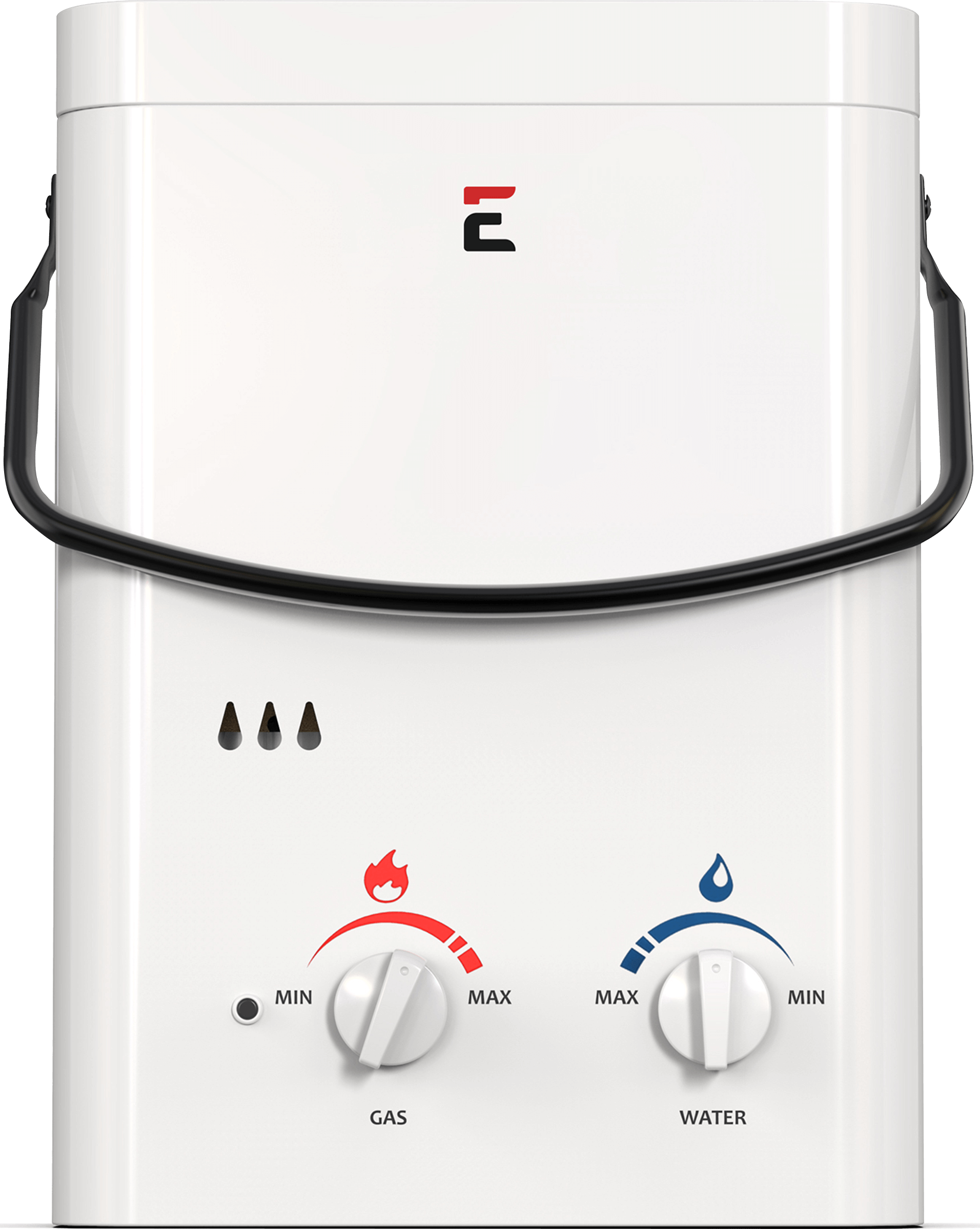
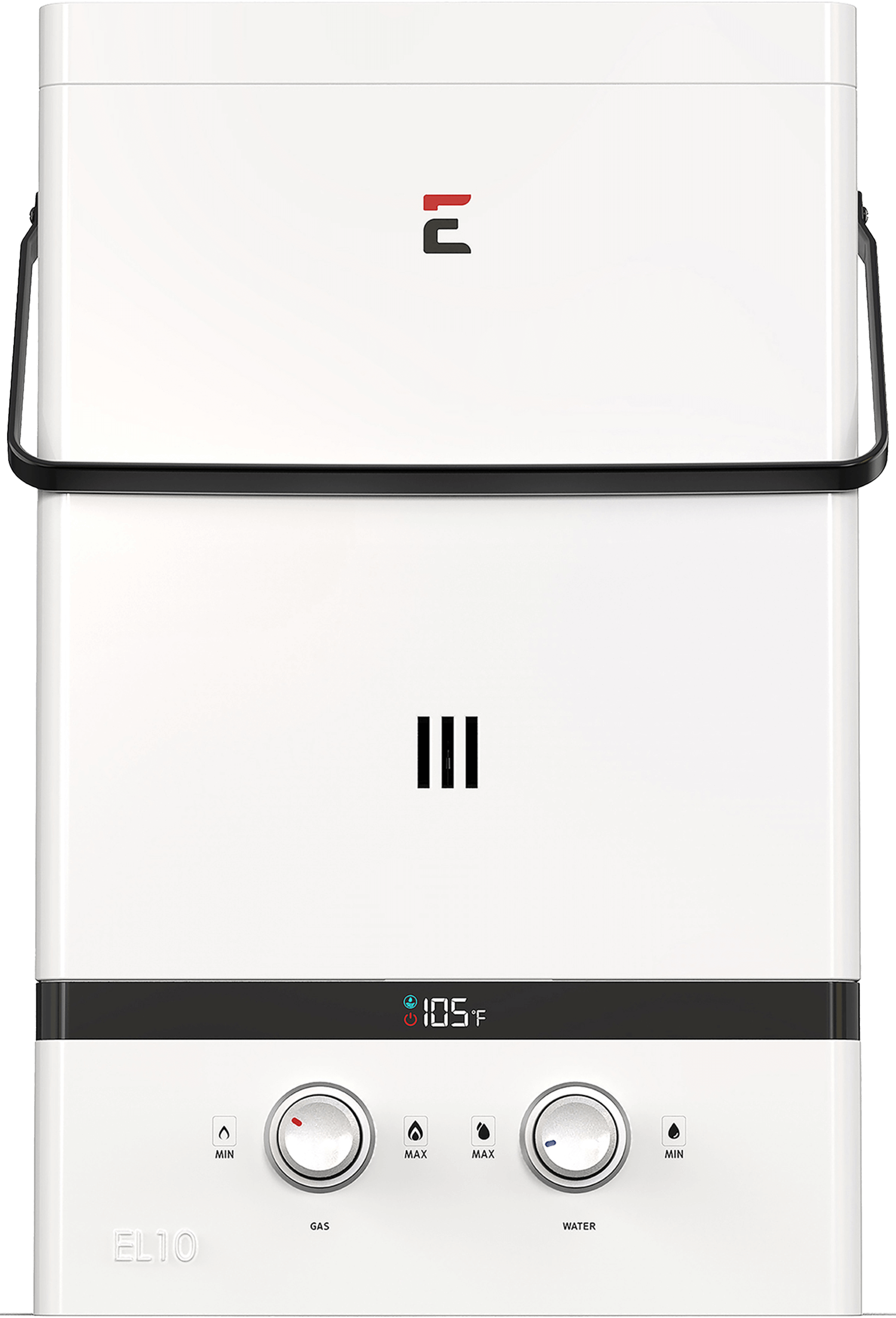
Eccotemp tankless solutions are particularly well-suited for seasonal cabins. Their lightweight and portable design makes them easy to install and operate, while their ability to provide instant hot water enhances convenience. For cabin owners who value efficiency and reliability, these systems represent a practical and modern choice.
Testing Fixtures and Ensuring Full Functionality
With your water system fully restored, it is important to test every fixture and appliance. Turn on sinks, showers, and any other water-dependent equipment to ensure they are working correctly.
Check for consistent hot water delivery and verify that temperature controls are functioning properly. Tankless water heaters should respond quickly and maintain steady output, providing a seamless experience throughout your cabin.
This final testing phase helps confirm that your system is ready for use and allows you to address any remaining issues before fully settling into the season.
Why Tankless Systems Make Sense for Canadian Cabins
Seasonal cabins require solutions that are both durable and adaptable. Traditional water heating systems often struggle to meet these demands due to their susceptibility to freezing and the maintenance required after long periods of inactivity.
Tankless water heaters offer a clear advantage by heating water only when needed. This reduces energy consumption and eliminates the risks associated with storing water in freezing conditions. Their compact design also makes them easier to manage in smaller cabin spaces.
Portable propane water heaters from Eccotemp are especially popular among cabin owners in Canada. They provide reliable performance in off-grid environments and are simple to set up, making them ideal for both remote and accessible locations.
Maintaining Your System Throughout the Season
Once your cabin water system is up and running, regular maintenance is essential to keep it in top condition. Periodically inspect pipes and connections for signs of wear or leaks, and address any issues promptly.
Keeping filters clean and monitoring water pressure will help maintain consistent performance. For tankless systems, occasional descaling ensures that the system continues to operate efficiently, especially in areas with hard water.
By staying proactive, you can extend the lifespan of your water system and enjoy uninterrupted comfort throughout your time at the cabin.
Conclusion: A Smooth Start to Cabin Season
Bringing your cabin water system back online after winter is a process that requires patience, attention to detail, and the right approach. Each step, from inspection to testing, plays a crucial role in ensuring a safe and efficient setup.
A well-executed cabin water setup, Canada spring routine, not only protects your plumbing system but also enhances your overall cabin experience. With modern solutions like Eccotemp tankless water heaters, achieving reliable hot water and efficient performance has never been easier.
Taking the time to do it right at the beginning of the season allows you to focus on what truly matters—relaxing, enjoying nature, and making the most of your cabin retreat.
Frequently Asked Questions (FAQ)
When is the best time to turn my cabin water system back on in Canada?
The best time is when temperatures consistently stay above freezing, typically during early to mid-spring, depending on your region. Turning the system on too early can increase the risk of frozen pipes.
What should I do if I find a leak during startup?
If you discover a leak, shut off the main water supply immediately and repair or replace the damaged section before continuing. Even small leaks can worsen quickly once the system is fully pressurized.
Why is my water pressure low after turning the system back on?
Low pressure can be caused by air trapped in the pipes, clogged filters, or issues with the pump. Flushing the system and checking components usually resolves the problem.
Do I need to clean my water system every spring?
Yes, flushing the system helps remove stagnant water, sediment, and debris that may have built up during winter, ensuring clean and safe water flow.
Are tankless water heaters suitable for cabins in cold climates?
Yes, tankless systems are ideal for cabins because they do not store large amounts of water, reducing the risk of freezing damage. Portable propane models are especially effective for seasonal and off-grid use.
How long should I flush my cabin water system?
You should flush the system until the water runs clear and free of any discoloration or debris. This typically takes several minutes per fixture.
What maintenance should I perform during the season?
Regularly check for leaks, clean filters, monitor water pressure, and ensure your water heater is functioning properly. Periodic descaling is also recommended for tankless systems.