 Weekly Deals
 Water Heaters
 Accessories
 Installation
 Parts
Parts
 Protection Plans




Best Tankless Water Heaters for Cold Canadian Climates: What You Need to Know in 2026
Introduction: Why Tankless Water Heaters Are Popular in Canada
Tankless water heaters have become increasingly popular in Canadian homes over the past decade. As energy costs rise and homeowners search for more efficient ways to heat water, many are replacing traditional storage tank systems with modern on-demand technology. Tankless systems heat water only when it is needed, which can reduce energy consumption and provide an endless supply of hot water for households.
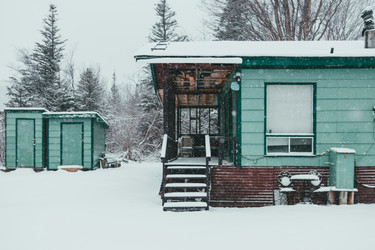
However, Canada presents unique challenges when it comes to water heating. Winters can be extremely cold, and groundwater temperatures are significantly lower than in many other regions of the world. In many parts of Canada, incoming groundwater during winter can fall between approximately 1.7°C and 5.5°C, which means water heaters must work much harder to raise the temperature to comfortable levels for showers, laundry, and other household tasks.
Because of these conditions, choosing the right tankless water heater for a cold Canadian climate is essential. Not every system is designed to handle the large temperature rise required in colder regions. In this guide, we will explore how tankless water heaters perform in cold environments, what features to look for, and which types of systems perform best in Canadian climates in 2026.
Understanding the Challenges of Cold Climate Water Heating
One of the most important factors affecting tankless water heater performance is incoming water temperature. Unlike traditional tank systems that store heated water, tankless units heat water instantly as it flows through the water heater. This means the heater must quickly raise the water temperature from the incoming groundwater temperature to the desired output temperature.
In Canada, groundwater temperatures during winter often hover around 4°C (40°F) or lower. At the same time, most households want hot water delivered at around 43–49°C (109–120°F). The difference between these two temperatures is known as the “temperature rise.” In many Canadian homes, the required temperature rise can exceed 40°C.
The larger the temperature rise required, the more powerful the tankless water heater must be. A system designed for warmer climates may struggle to keep up in Canadian winters if it cannot generate enough heat quickly enough.
Another factor to consider is flow rate, which is measured in gallons per minute (GPM). A tankless water heater must be capable of producing enough hot water to supply multiple fixtures at once. For example, a typical shower uses around 2 to 2.5 GPM, while running multiple showers or appliances simultaneously can require much higher capacity.
When incoming water is colder, tankless systems may produce a lower maximum flow rate because more heating power is needed to reach the target temperature. This is why proper sizing is especially important in colder climates.
Do Tankless Water Heaters Work in Cold Canadian Winters?
Many homeowners still wonder whether tankless water heaters actually work well in extremely cold regions. The short answer is yes. Modern tankless systems are designed to operate effectively even in climates with freezing temperatures.
Manufacturers have engineered many systems with advanced freeze protection features that allow them to operate in extremely cold environments. Some units can function in temperatures as low as −30°C when properly installed and protected.
In fact, tankless water heaters are widely used across Canada. With proper sizing and installation, they can deliver consistent hot water even when groundwater temperatures are very low. In many cases, homeowners benefit from improved energy efficiency and longer system lifespan compared with traditional tank heaters.
The key to success lies in selecting a system that has sufficient heating capacity, reliable freeze protection, and the ability to maintain stable temperatures under varying flow conditions.
Key Features to Look for in Cold Climate Tankless Water Heaters
When choosing a tankless water heater for Canadian conditions, several important features can make a significant difference in performance and reliability.
High Temperature Rise Capability
One of the most important specifications is the unit’s temperature rise capability. This indicates how much the system can increase the temperature of incoming water at a given flow rate.
In cold climates, systems must handle larger temperature increases. If a heater cannot deliver the required temperature rise, homeowners may experience lukewarm water or reduced flow rates.
High-powered models designed for northern climates often provide significantly higher heating capacity to compensate for colder groundwater.
Adequate Flow Rate
Flow rate is another critical factor when selecting a tankless water heater. A system must produce enough hot water for multiple fixtures simultaneously.
For example, a home running two showers and a dishwasher at the same time may require 6 to 7 GPM. If the heater cannot meet this demand, water temperature may fluctuate or drop during use.
Because colder water requires more heating energy, tankless systems in Canada may deliver lower flow rates than the same units in warmer climates. Choosing a model with higher capacity ensures consistent performance.
Freeze Protection Technology
Cold climate installations require built-in freeze protection features. Many modern tankless heaters include internal components that prevent freezing when temperatures drop below freezing levels.
Some systems can operate in temperatures as low as −30°C when installed indoors or in protected environments. However, proper insulation and heat tracing for water pipes are still essential to prevent freezing in extremely cold conditions.
Advanced Temperature Control
Maintaining consistent water temperature can be more challenging in cold climates because incoming water temperatures fluctuate throughout the year.
High-quality tankless systems include advanced temperature control technologies that automatically adjust heating output based on flow rate and inlet temperature. These systems help ensure a stable and comfortable water temperature even during peak usage.
Gas vs Electric Tankless Water Heaters in Cold Climates
Another important decision for Canadian homeowners is choosing between gas-powered and electric tankless water heaters.
Gas Tankless Water Heaters
Gas-powered tankless water heaters are typically the most popular choice for cold climates. These systems provide higher heating capacity, allowing them to achieve larger temperature rises while maintaining strong flow rates.
Natural gas and propane models are capable of producing much more heat than electric units, making them better suited for whole-home applications in colder regions.
Gas systems also tend to be more cost-effective to operate in areas where natural gas prices are lower than electricity.
Electric Tankless Water Heaters
Electric tankless water heaters are generally smaller and easier to install, but they may struggle with large temperature rises in extremely cold climates.
Electric models are often better suited for point-of-use applications such as small apartments, cabins, or supplemental heating in specific areas of the home.
For whole-house systems in Canadian climates, electric units must be carefully sized to ensure sufficient heating capacity.
Installation Considerations for Canadian Homes
Proper installation is just as important as choosing the right tankless water heater. Even the best system can perform poorly if it is installed incorrectly or not configured for cold climate conditions.
One important factor is indoor versus outdoor installation. Many tankless water heaters are installed indoors in Canada to protect them from freezing temperatures. Outdoor installations are possible but require additional freeze protection and insulation.
Pipe insulation is another critical element. Water lines leading to and from the heater must be properly insulated to prevent freezing during winter months.
Some homeowners also install recirculation systems that allow hot water to reach fixtures faster while reducing water waste.
Professional installation by a qualified technician ensures the system is properly sized, vented, and configured to meet the demands of the household.
Best Types of Tankless Water Heaters for Canadian Climates
When selecting a tankless water heater for cold Canadian conditions, several categories of systems tend to perform particularly well.
High-output condensing gas tankless water heaters are among the most efficient and powerful options available. These systems capture and reuse heat from exhaust gases, improving efficiency while delivering strong heating performance.
Indoor whole-house gas tankless systems are also highly recommended for colder regions. Installing the unit indoors helps protect it from extreme weather conditions and improves overall reliability.
Smart tankless water heaters with digital temperature control and adaptive technology are becoming increasingly popular. These systems automatically adjust performance based on water usage patterns and environmental conditions.
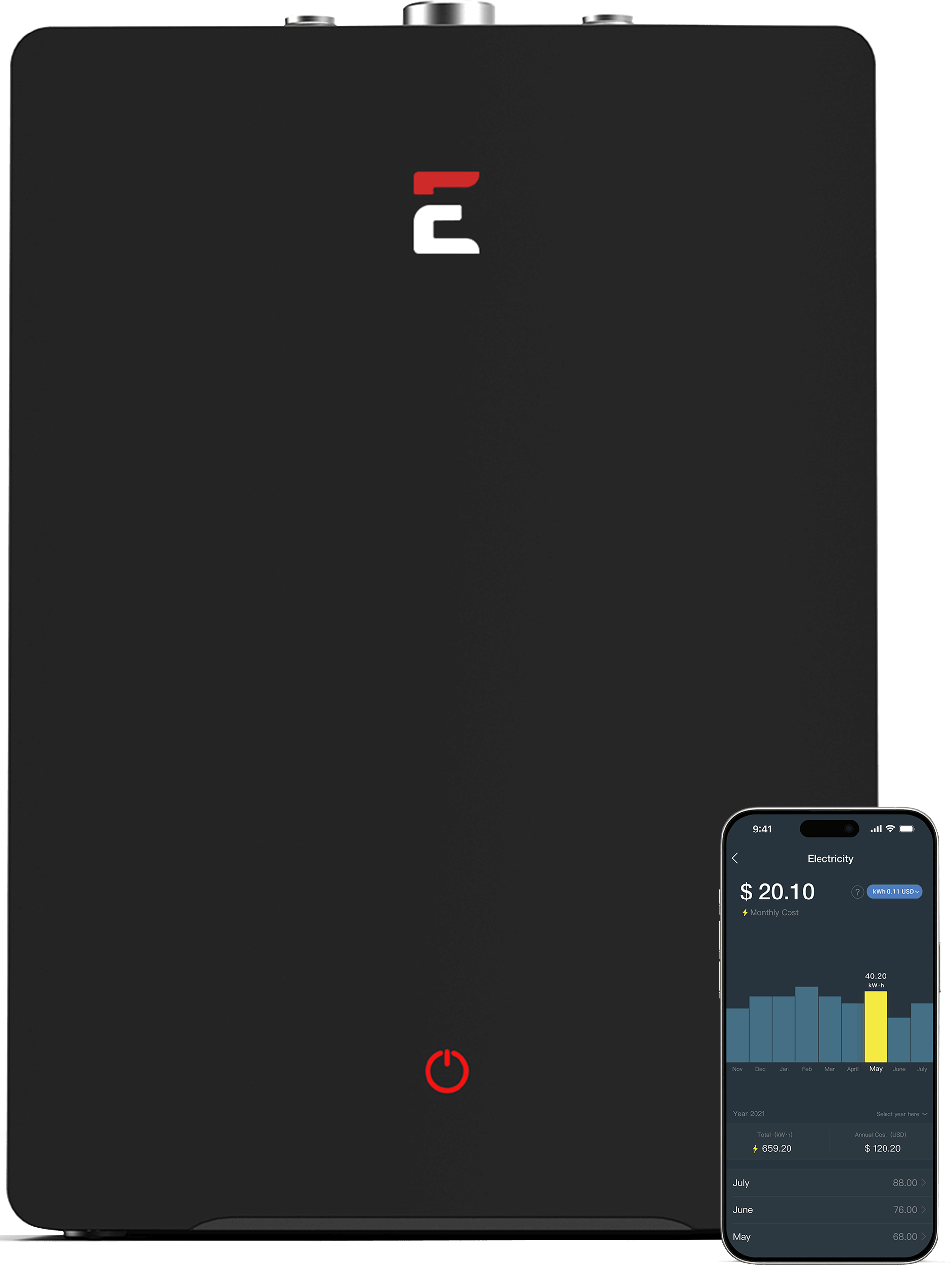
Many modern units also include Wi-Fi connectivity, allowing homeowners to monitor and control water temperature from their smartphones.
Energy Efficiency Benefits for Canadian Homeowners
One of the biggest reasons homeowners switch to tankless water heaters is energy efficiency. Unlike traditional tank systems that continuously heat stored water, tankless units heat water only when it is needed.
This on-demand heating approach reduces standby energy losses and can significantly lower energy consumption over time.
Tankless systems also tend to have longer lifespans than traditional water heaters. Many models can last up to 20 years with proper maintenance, which is often nearly double the lifespan of conventional tank heaters.
Over the long term, this durability and efficiency can make tankless water heaters a smart investment for Canadian households.
Maintenance Tips for Cold Climate Tankless Systems
Regular maintenance helps ensure that tankless water heaters perform efficiently throughout the year.
Annual flushing is one of the most important maintenance tasks. Mineral buildup from hard water can accumulate inside the heat exchanger over time, reducing efficiency and potentially causing damage.
Cleaning inlet filters and inspecting vents and exhaust systems are also essential maintenance steps. These components must remain clear of debris to ensure proper airflow and safe operation.
During winter months, homeowners should also check that insulation and freeze protection systems remain intact and functional.
Routine maintenance helps extend the life of the system while maintaining consistent hot water performance.
Final Thoughts: Choosing the Right Tankless Water Heater for Canadian Winters
Tankless water heaters are an excellent option for Canadian homeowners looking to improve energy efficiency and enjoy unlimited hot water. Despite the challenges posed by cold groundwater and harsh winter temperatures, modern tankless systems are designed to perform reliably even in extreme climates.
The most important factors when choosing a system include heating capacity, temperature rise capability, flow rate, and freeze protection features. Proper sizing and professional installation are also essential to ensure optimal performance.
With the right system in place, homeowners across Canada can enjoy the benefits of energy-efficient on-demand hot water while staying comfortable during even the coldest winters.
Frequently Asked Questions (FAQ)
What size tankless water heater do I need for a Canadian home?
The size of the tankless water heater you need depends on the number of fixtures in your home and the required temperature rise. Because Canadian groundwater temperatures are much colder than in warmer climates, homeowners often need a higher-capacity unit. For example, a home with two bathrooms that may run multiple showers at the same time typically requires a unit capable of producing at least 7–9 gallons per minute. Larger homes with higher water demand may require even more powerful systems or multiple units working together.
Do tankless water heaters work well in extremely cold climates like Canada?
Yes, modern tankless water heaters are designed to operate efficiently in cold climates. Many systems include built-in freeze protection and advanced temperature control technology that allows them to function reliably even when outdoor temperatures drop well below freezing. The key is choosing a properly sized unit with enough heating capacity to handle the large temperature rise required when groundwater temperatures are very low.
Is a gas or electric tankless water heater better for Canadian winters?
Gas tankless water heaters are generally the better option for cold Canadian climates. Natural gas or propane systems can generate significantly more heating power than electric models, making them more capable of handling large temperature rises while maintaining strong water flow. Electric tankless units can still be useful in smaller homes or for point-of-use applications, but they may struggle to meet the demands of a full household during winter.
Can tankless water heaters freeze during winter?
Tankless water heaters can freeze if they are installed improperly or exposed to extreme cold without adequate protection. However, most modern systems include built-in freeze protection features that help prevent damage when temperatures drop. Installing the unit indoors, insulating water pipes, and ensuring proper ventilation can greatly reduce the risk of freezing during Canadian winters.
Will a tankless water heater provide enough hot water for multiple showers?
Yes, a properly sized tankless water heater can supply hot water to multiple fixtures simultaneously. The key factor is choosing a unit with a high enough flow rate to match your household’s demand. If the system is too small, you may experience reduced water pressure or fluctuating temperatures when several fixtures are used at once.
Do tankless water heaters save energy in Canada?
Tankless water heaters are generally more energy efficient than traditional tank systems because they heat water only when it is needed. This eliminates standby heat loss, which occurs when a storage tank continuously reheats stored water. Over time, this on-demand heating approach can reduce energy consumption and lower utility bills for many Canadian households.
How long do tankless water heaters last?
Tankless water heaters typically have a longer lifespan than conventional tank water heaters. With proper maintenance, many systems can last up to 20 years or even longer. Traditional storage tank heaters often last around 8–12 years, which means tankless systems can provide significantly longer service life.
Do tankless water heaters require maintenance?
Yes, regular maintenance is important to keep tankless systems running efficiently. Most manufacturers recommend flushing the unit annually to remove mineral buildup from the heat exchanger. Cleaning inlet filters and checking venting systems are also part of routine maintenance. Proper upkeep helps maintain efficiency, extend the lifespan of the system, and prevent performance issues.
Are tankless water heaters more expensive to install?
Tankless water heaters often have higher upfront installation costs compared to traditional tank heaters. However, many homeowners find that the long-term benefits—such as lower energy bills, longer lifespan, and endless hot water—help offset the initial investment. In some regions, government rebates or energy-efficiency incentives may also reduce the cost of installation.
Is switching to a tankless water heater worth it for Canadian homeowners?
For many homeowners in Canada, switching to a tankless water heater can be a worthwhile upgrade. These systems offer improved energy efficiency, continuous hot water supply, and longer equipment lifespan. When properly sized and installed, tankless water heaters perform very well in cold climates and can provide reliable hot water even during the harshest Canadian winters.