 Weekly Deals
 Water Heaters
 Accessories
 Installation
 Parts
Parts
 Protection Plans




Electric vs Gas Tankless Water Heater in Canada: 2026 Cost Comparison & Buying Guide
Choosing the right water heating system for your Canadian home is becoming increasingly important as energy prices rise and homeowners look for efficient solutions that save both money and space. In 2026, tankless water heaters are at the forefront of this shift, offering on-demand hot water without the bulk of traditional storage tanks. However, one of the key decisions homeowners face is whether to opt for an electric or gas-powered tankless water heater. Both options come with their advantages and limitations, and understanding the cost, efficiency, installation requirements, and long-term savings is critical before making a purchase. This guide will break down everything you need to know about electric and gas tankless water heaters in Canada to help you make an informed decision.
Understanding Tankless Water Heaters
Tankless water heaters, often referred to as on-demand water heaters, operate by heating water only when it is needed, rather than continuously maintaining a large tank of hot water. This technology allows homeowners to enjoy endless hot water while reducing energy consumption compared to traditional tank systems. Tankless water heaters are compact, making them ideal for Canadian homes where space is limited, such as apartments, townhouses, or cottages. They also tend to have a longer lifespan, often lasting up to 20 years with proper maintenance, which is significantly longer than conventional tank water heaters.
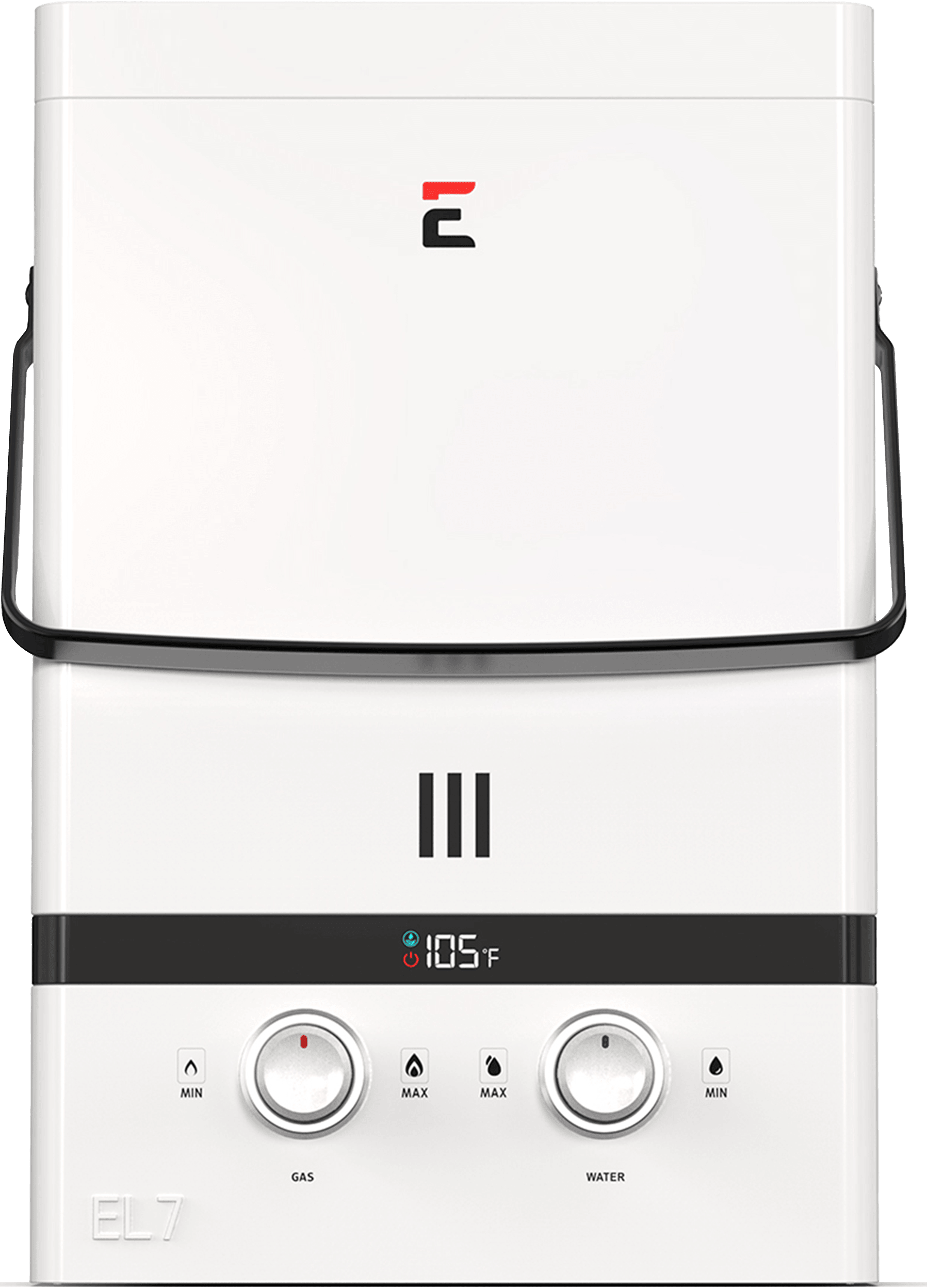
The main difference between electric and gas tankless water heaters lies in the energy source and heating method. Electric water heaters use electrical coils to heat water as it passes through the system, while gas water heaters rely on propane or natural gas to generate heat. This distinction impacts not only the installation and operating costs but also the water flow rate, efficiency, and suitability for Canadian climates, particularly in colder regions.
Installation Considerations
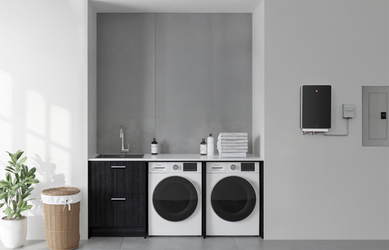
When comparing electric and gas tankless water heaters, installation requirements are one of the first factors to consider. Electric models (check our electric mini tanks) are generally easier and less expensive to install because they do not require venting or gas lines. They can be placed in smaller spaces and installed closer to the point of use, such as under a sink or near a shower. This flexibility makes them an attractive option for homes that cannot accommodate complex venting or plumbing systems. However, electric heaters may require an upgrade to the home’s electrical system, particularly if the current wiring is not rated to handle high amp loads. In Canada, this could involve installing a dedicated circuit and breaker for the water heater, which can add to the initial cost.
Gas tankless water heaters, on the other hand, require a proper gas line connection and ventilation system. Propane and natural gas heaters must be vented to the outside to safely expel combustion gases, which adds complexity and cost to the installation. While this can be more expensive upfront, many homeowners find the investment worthwhile because gas heaters often provide higher flow rates and faster heating times. Additionally, for Canadian households that already have natural gas service, installing a gas water heater can be more straightforward than adding a new electrical circuit.
Cost Comparison
The purchase price of electric and gas tankless water heaters varies widely based on brand, model, and capacity. Electric models tend to be less expensive initially, with many quality options available in the range of CAD 700 to CAD 1,500. Gas models, particularly those with higher flow capacities suitable for whole-house use, often start around CAD 1,200 and can go up to CAD 3,000 or more. It is important to consider not just the purchase price but also the installation costs, as these can differ significantly. Electric water heaters generally have lower installation costs unless electrical upgrades are needed. Gas models may require professional plumbing and venting work, which increases the upfront investment.
Long-term operating costs are another critical factor in the cost comparison. In Canada, electricity prices are typically higher than natural gas, meaning that electric water heaters can be more expensive to operate over time. According to Canadian energy rate data in 2026, homeowners may pay nearly twice as much for the same amount of hot water with electricity compared to natural gas. Gas water heaters, despite higher installation costs, often provide better cost efficiency in the long run, particularly for households with high hot water demand.
Energy Efficiency
Both electric and gas tankless water heaters are more energy-efficient than traditional tank systems, but their efficiency ratings differ. Electric models can reach efficiency levels of 95 to 99 percent because nearly all the electricity is converted to heat. They do not lose energy through venting, and there is no standby heat loss since water is only heated on demand. Gas models, while slightly less efficient in terms of energy conversion—typically 80 to 85 percent—can still deliver significant savings because natural gas tends to be cheaper than electricity. Condensing gas models are an exception, achieving efficiency rates above 90 percent by reclaiming heat from exhaust gases.
Energy efficiency also affects environmental impact. Electric water heaters produce no on-site emissions, making them a cleaner choice if the electricity comes from renewable sources such as hydro, wind, or solar. Gas heaters burn fossil fuels and emit carbon dioxide, although modern condensing models have lower emissions than older non-condensing systems. Homeowners concerned about reducing their carbon footprint should consider both the energy source and the efficiency rating when choosing between electric and gas.
Performance in Cold Climates
Canadian winters can pose unique challenges for water heating, particularly in colder provinces such as Alberta, Manitoba, and Quebec. Gas water heaters generally perform better in extremely cold climates because they can deliver higher flow rates of hot water and maintain temperature more effectively. Electric heaters may struggle to maintain consistent hot water output if incoming water temperatures are very low, particularly in whole-house systems. Some electric models offer higher wattage options to compensate, but this can increase electricity consumption and require significant upgrades to the home’s electrical system.
For homes in milder Canadian climates or those with lower hot water demand, electric heaters may still provide adequate performance. They are especially suitable for point-of-use applications, such as a single bathroom or kitchen sink, where the hot water demand is limited and instantaneous heating is sufficient. Gas heaters, with their higher output and faster recovery, are generally preferred for larger households or for homes where multiple showers and appliances may be used simultaneously.
Maintenance Requirements
Both electric and gas tankless water heaters require routine maintenance to ensure optimal performance and longevity. Electric water heaters have fewer moving parts and do not involve combustion, which reduces the likelihood of mechanical issues. Maintenance primarily involves descaling or flushing the system using the EZ-Flush Descaler Kit to prevent mineral buildup, particularly in areas with hard water. Canadian homeowners can benefit from installing a water softener or regular water treatment to extend the lifespan of their electric heaters.
Gas water heaters require more attention due to the combustion process. Venting systems must be inspected regularly to ensure safety, and burners may need occasional cleaning to maintain efficiency. Like electric models, descaling is important to prevent mineral deposits from damaging heat exchangers. While gas heaters may have slightly higher maintenance requirements, proper care ensures reliable performance for decades.
Choosing the Right Size
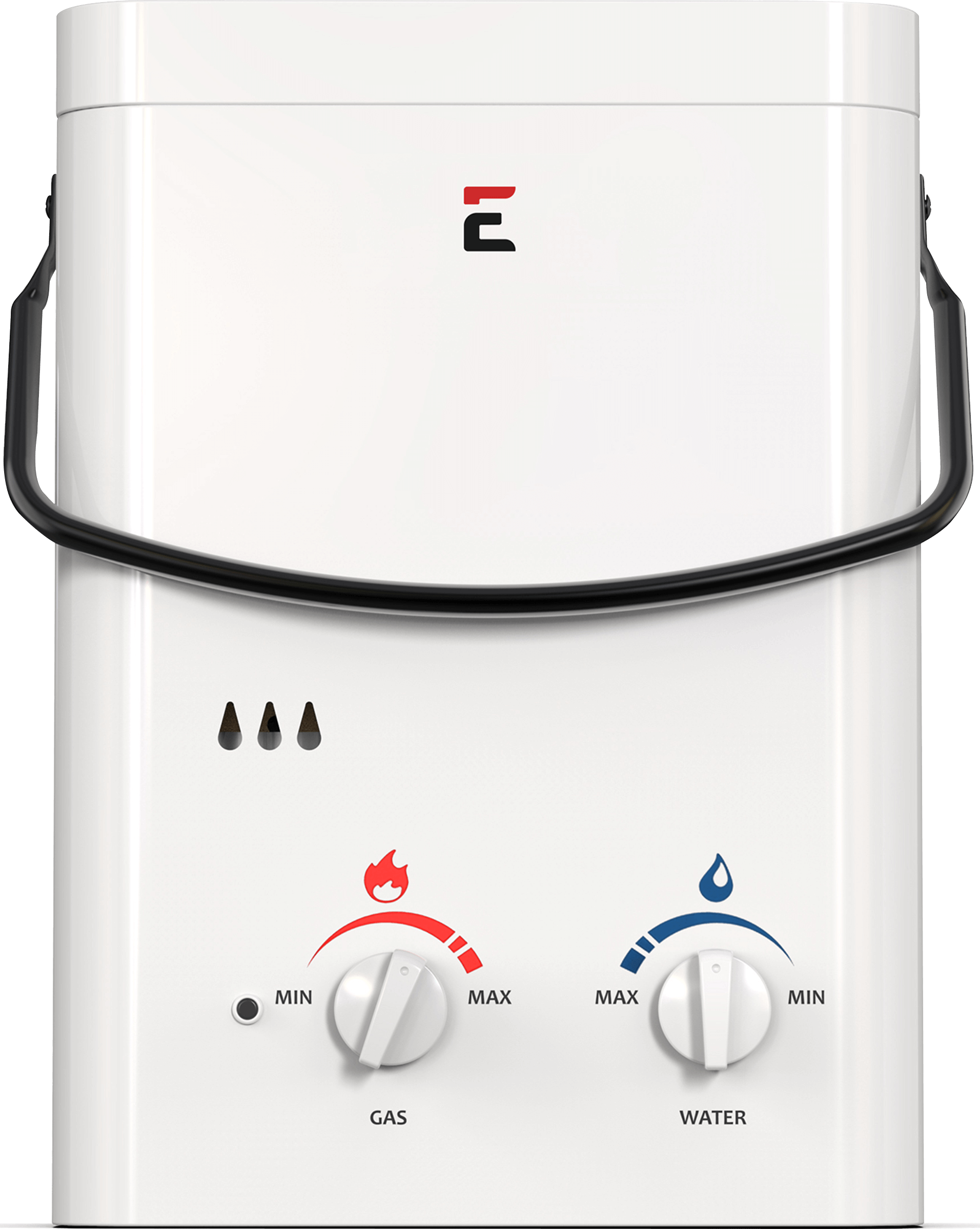
Selecting the right size of tankless water heater is essential to meeting your household’s hot water needs. Unlike traditional tank systems, where a large storage tank can supply multiple fixtures simultaneously, tankless heaters must provide sufficient flow rate to meet demand in real time. Gas models typically offer higher flow rates, making them suitable for homes with multiple bathrooms or high simultaneous usage. Electric models are ideal for smaller homes or point-of-use applications but may require multiple units to meet the demand of a larger household. Calculating peak flow needs and considering the number of showers, appliances, and faucets in use at one time is crucial when choosing the right system.
Smart Features and Controls
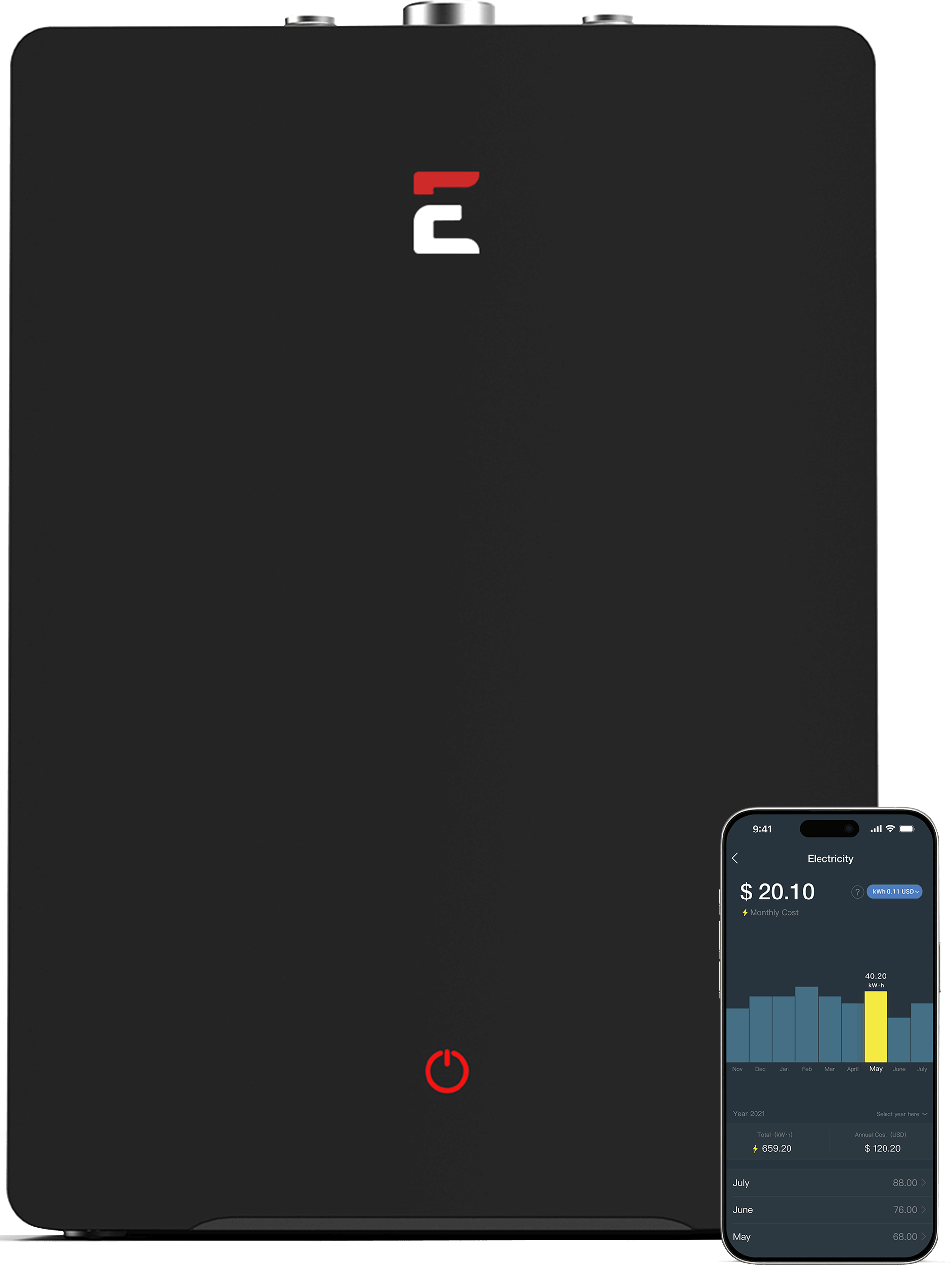
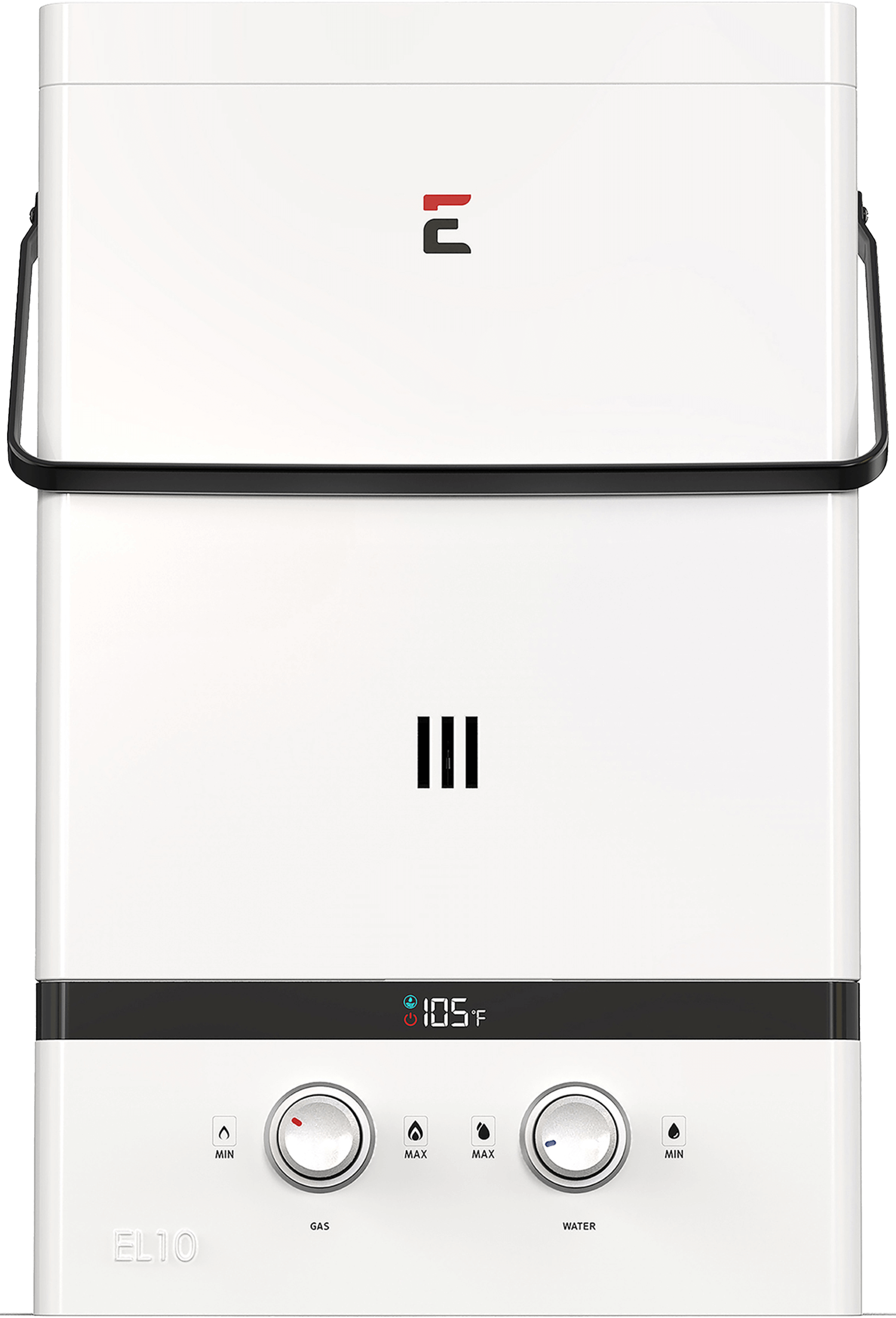
Modern tankless water heaters come with smart features that enhance convenience and efficiency. Many electric and gas models offer digital displays, allowing homeowners to set precise temperatures and monitor usage. Some models can integrate with smart home systems, enabling remote control through mobile apps. These features allow Canadian homeowners to optimize energy use and reduce waste by heating water only when needed. Gas models often include advanced temperature controls and safety mechanisms to prevent overheating or scalding, while electric models provide precise, consistent temperature output without the variability of combustion.
Environmental and Economic Considerations
Beyond initial costs and performance, Canadian homeowners are increasingly considering the environmental impact of their water heating choices. Electric water heaters powered by renewable energy sources such as hydroelectricity, which is abundant in provinces like British Columbia and Quebec, can offer a low-carbon alternative to fossil fuel-based heating. Gas heaters, while reliant on natural gas or propane, provide lower operating costs, which can be significant for households with high hot water demand. In regions where electricity is expensive or sourced primarily from fossil fuels, gas heaters often make more economic sense. Homeowners should evaluate both the cost of energy and the environmental impact of the fuel source when making a decision.
Rebates and Incentives
In Canada, government rebates and incentives can influence the choice between electric and gas water heaters. Various programs at the federal and provincial level provide financial incentives for upgrading to energy-efficient appliances, including tankless water heaters. For example, certain provinces may offer rebates for installing high-efficiency gas heaters, while federal initiatives can provide incentives for electric systems that meet efficiency standards. Taking advantage of these programs can reduce the upfront cost and improve the overall return on investment for both electric and gas options.
Final Thoughts on Choosing Between Electric and Gas
Deciding between an electric and a gas tankless water heater in Canada requires balancing several factors, including installation complexity, operating costs, energy efficiency, climate suitability, and household hot water demand. Electric models are ideal for smaller homes, point-of-use applications, and areas where installation flexibility is important. They offer high energy efficiency, easy installation in many cases, and lower maintenance requirements. Gas models, while requiring more complex installation and venting, provide higher flow rates, faster heating, and often lower long-term operating costs, making them suitable for larger homes or colder climates.
Ultimately, the best choice depends on your specific needs, energy availability, and budget. By understanding the differences between electric and gas tankless water heaters, Canadian homeowners can make informed decisions that optimize comfort, efficiency, and savings over the long term. With the right selection, upgrading to a tankless water heater in 2026 can provide reliable hot water, reduced energy bills, and a more environmentally conscious solution for every household.
Frequently Asked Questions (FAQ)
What is a tankless water heater and how does it differ from a traditional tank system?
A tankless water heater, also called an on-demand water heater, heats water only when needed instead of storing it in a large tank. This eliminates standby heat loss, saves space, and can provide an endless supply of hot water, unlike traditional tank systems that maintain a fixed volume of heated water.
Are electric or gas tankless water heaters better for Canadian homes?
Both types have advantages. Electric water heaters are ideal for smaller homes or point-of-use applications and are easier to install, while gas heaters provide higher flow rates, faster heating, and often lower operating costs, making them better for larger homes or colder climates.
How much does it cost to install a tankless water heater in Canada?
Electric models generally have lower installation costs unless electrical upgrades are needed. Gas models require venting and gas line connections, which can increase installation expenses. Depending on the home’s requirements, installation costs can range from CAD 500 to over CAD 2,000.
Which is more energy-efficient, electric or gas?
Electric water heaters can reach efficiency levels of 95–99 percent, converting almost all electricity to heat. Gas water heaters typically range from 80–85 percent efficiency, though condensing gas models can exceed 90 percent. Efficiency also depends on the fuel source and the specific model.
Can electric heaters provide enough hot water in cold Canadian winters?
Electric heaters may struggle in extremely cold climates if incoming water temperatures are very low, particularly for whole-house use. Higher wattage models or multiple point-of-use heaters can help, but gas heaters are generally more reliable for maintaining hot water flow in colder regions.
Do tankless water heaters require maintenance?
Yes. Both electric and gas tankless water heaters need regular descaling to prevent mineral buildup, especially in areas with hard water. Gas models also require vent inspections and burner cleaning, while electric models have fewer mechanical parts to maintain.
How long does a tankless water heater last?
With proper maintenance, tankless water heaters can last 15–20 years, which is significantly longer than traditional tank water heaters. Regular descaling and inspections are key to extending lifespan.
Can I install a tankless water heater myself?
Electric models may be easier for DIY installation if your home’s electrical system can handle the load. Gas heaters require proper venting and gas connections, so professional installation is strongly recommended for safety and compliance with Canadian building codes.
Are there rebates or incentives for installing tankless water heaters in Canada?
Yes. Federal and provincial programs may offer rebates or incentives for upgrading to energy-efficient water heaters, including tankless systems. These programs vary by province and may apply to both electric and gas models, depending on efficiency standards.
Which type of tankless water heater saves more money in the long run?
Gas water heaters often have lower operating costs than electric heaters in Canada due to the lower price of natural gas compared to electricity. However, electric heaters may have lower maintenance costs and fewer installation requirements, which can offset operating expenses in some cases.