 Weekly Deals
 Water Heaters
 Accessories
 Installation
 Parts
Parts
 Protection Plans





Mid-Year Checkup: Is Your Tankless Water Heater Ready for Canada's Busiest Cottage Season?
Summer is one of the most anticipated times of the year in Canada. As temperatures rise and the days grow longer, families and friends head to cottages, cabins, and lakeside retreats to enjoy the outdoors. From June through August, cottage properties across the country experience their highest occupancy rates of the year. Whether located in Ontario's cottage country, the lakes of Manitoba, the forests of Quebec, or the coastal regions of British Columbia, these seasonal homes become hubs of activity during the summer months.
With increased occupancy comes greater demand on essential home appliances, particularly hot water equipment. Showers after a day on the lake, dishwashing after family meals, laundry for wet towels and swimwear, and general cleaning all require a dependable source of hot water. For many cottage owners, a tankless water heater provides an efficient and convenient solution. However, before the busy season reaches its peak, performing a mid-year inspection can help ensure reliable performance throughout the summer.
The focus keyword tankless water heater summer checkup Canada cottage has become increasingly relevant as Canadian homeowners search for ways to prepare their seasonal properties for summer use. A proactive approach to maintenance can help prevent unexpected interruptions, improve energy efficiency, and extend the lifespan of your equipment.
Why Summer Is the Perfect Time for a Tankless Water Heater Checkup
Unlike traditional storage-tank models that continuously heat water, tankless water heaters produce hot water on demand. This approach offers several advantages, including reduced energy consumption, compact installation, and an endless supply of hot water when properly maintained.
Many cottage owners assume that because a tankless water heater is designed for efficiency, it requires little attention. While these appliances generally need less maintenance than conventional alternatives, they still benefit from regular inspections and servicing. Summer presents the ideal opportunity because occupancy levels increase significantly, placing greater demands on the heater.
A mid-year checkup allows homeowners to identify potential issues before they become costly repairs. It also helps ensure that the heater can meet the needs of guests and family members during periods of heavy usage.
Understanding the Challenges of Cottage Living
Cottage environments often present unique conditions that differ from permanent residences. Seasonal occupancy patterns, varying water quality, outdoor installations, and fluctuating weather conditions can all affect water heater performance.
Many Canadian cottages rely on well water rather than municipal water supplies. Well water frequently contains higher concentrations of minerals such as calcium, magnesium, and iron. Over time, these minerals can accumulate inside the heat exchanger and reduce efficiency.
In addition, some cottages remain vacant for extended periods during fall, winter, and spring. During these months, dust, insects, moisture, and environmental debris may affect various components of the heater. When summer arrives and the property becomes active again, the equipment may face a sudden increase in demand after months of limited use.
Conducting a thorough inspection before peak season can help identify concerns related to these unique cottage conditions.
Start with a Visual Inspection
One of the simplest yet most effective maintenance practices is performing a visual inspection. Before the summer rush begins, take a close look at the water heater and surrounding area.
Check for signs of corrosion, rust, moisture accumulation, or water leaks. Even minor leaks can gradually worsen and lead to significant damage if left unaddressed. Examine all visible water connections and fittings to ensure they remain secure.
For propane-powered models commonly used in remote cottages, inspect gas connections for signs of wear or deterioration. Any unusual odors or visible damage should be addressed immediately by a qualified technician.
The surrounding area should remain clean and free of clutter. Proper airflow contributes to efficient operation and helps prevent overheating.
Examine the Venting Components
Venting plays a critical role in the safe operation of gas-powered tankless water heaters. Over time, outdoor debris such as leaves, branches, insects, and nests can obstruct vent openings.
A blocked vent may restrict airflow and negatively affect performance. In severe cases, it can trigger safety shutoffs or cause the appliance to operate inefficiently.
Inspect intake and exhaust vents carefully. Remove any debris that may have accumulated during the off-season. If you notice cracks, loose connections, or signs of damage, schedule professional servicing before heavy summer use begins.
For cottages located near wooded areas, periodic vent inspections throughout the season may also be beneficial.
Check Water Flow Performance
Consistent water flow is essential for optimal tankless water heater operation. Reduced flow rates may indicate clogged filters, mineral buildup, or plumbing restrictions.
Turn on several hot water fixtures and observe the performance. Hot water should arrive within a reasonable timeframe and maintain a steady temperature during use.
If water pressure appears lower than normal, inspect inlet filters according to manufacturer recommendations. Cleaning these filters can often restore proper flow and improve overall efficiency.
Changes in water flow may also indicate underlying plumbing issues that should be addressed before occupancy levels increase.
Evaluate Temperature Settings
Many homeowners rarely adjust temperature settings after installation. However, reviewing these settings during a summer checkup can help improve comfort and energy efficiency.
A temperature setting that is too high may waste energy and increase operating costs. Excessively high temperatures can also raise the risk of scalding, especially for children and elderly family members.
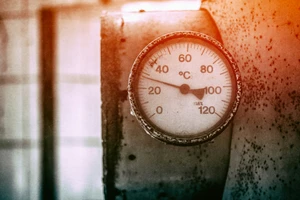
Most cottages find a moderate setting suitable for everyday activities such as showering, dishwashing, and general cleaning. Reviewing the temperature display and ensuring proper calibration can help maintain consistent hot water delivery throughout the season.
Flush Mineral Deposits from the Heat Exchanger
One of the most important maintenance procedures for a tankless water heater involves removing mineral buildup from the heat exchanger.
Hard water is common in many cottage regions throughout Canada. As water passes through the heater, dissolved minerals gradually accumulate on internal surfaces. This buildup acts as an insulating layer, forcing the heater to work harder to transfer heat.
Over time, efficiency decreases and operating costs may increase. In severe cases, scale accumulation can shorten the lifespan of the equipment.
Flushing the heat exchanger helps remove these deposits and restore performance. Depending on water quality and usage patterns, flushing may be recommended annually or more frequently.
Many homeowners choose to hire a professional technician for this process, although some experienced property owners perform it themselves following manufacturer guidelines.
Inspect Water Quality Conditions
Water quality has a direct impact on tankless water heater longevity and performance. Cottage owners who rely on private wells should pay particular attention to changing water conditions.
Cloudy water, unusual odors, staining, or excessive sediment may indicate water quality concerns that could affect the heater. Installing or maintaining appropriate filtration equipment can help reduce mineral accumulation and protect internal components.
Regular water testing provides valuable insight into hardness levels and other factors that may influence maintenance requirements.
Understanding your property's water characteristics allows for a more proactive maintenance strategy throughout the year.
Verify Propane Supply and Connections
Many remote Canadian cottages rely on propane-powered tankless water heaters due to their ability to operate independently of natural gas infrastructure.
Before peak season begins, verify that propane tanks contain sufficient fuel to support anticipated usage. Running out of propane during a busy summer weekend can create significant inconvenience for guests and family members.
Inspect regulators, hoses, and connections for signs of wear or weather-related deterioration. Canada's climate can be harsh on outdoor equipment, particularly after long winters.
Ensuring reliable fuel delivery contributes to uninterrupted hot water availability during periods of heavy demand.
Test Electrical Components
Even gas-powered tankless water heaters typically require electricity to power control panels, ignition mechanisms, and safety features.
Check electrical connections for signs of corrosion or damage. Confirm that displays, controls, and indicators function correctly.
Power interruptions occasionally occur in cottage regions, particularly during summer storms. If your property experiences frequent outages, consider evaluating backup power options that can support essential water heating functions.
Reliable electrical performance helps ensure consistent operation throughout the season.
Pay Attention to Error Codes
Modern tankless water heaters often include sophisticated diagnostic capabilities. Error codes can provide valuable information about potential issues before they escalate into larger problems.
During your mid-year inspection, review the display panel for any stored alerts or warning messages. Consult the owner's manual to understand their meaning and recommended corrective actions.
Ignoring error codes may allow minor concerns to develop into more expensive repairs later in the season.
Addressing these alerts promptly can help maintain uninterrupted service during peak cottage occupancy.
Consider Professional Preventive Maintenance
While many maintenance tasks can be performed by homeowners, professional servicing offers additional peace of mind.
A qualified technician can inspect internal components, test safety features, evaluate combustion performance, and identify issues that may not be immediately visible during a routine inspection.
Professional maintenance is particularly valuable for cottages that experience heavy summer occupancy or operate in areas with challenging water conditions.
Scheduling service before peak season helps reduce the likelihood of unexpected breakdowns during busy holiday weekends.
The Benefits of a Well-Maintained Tankless Water Heater
A properly maintained tankless water heater provides numerous advantages for cottage owners.
Reliable hot water availability enhances comfort for guests and family members. Whether hosting a long weekend gathering or accommodating multiple generations under one roof, consistent performance helps create a more enjoyable experience.
Maintenance also supports energy efficiency. Clean components and unrestricted water flow allow the heater to operate more effectively, reducing fuel or electricity consumption.
Regular servicing can extend equipment lifespan and lower long-term ownership costs. Addressing small issues early often prevents more expensive repairs later.
Most importantly, preventive maintenance reduces the risk of unexpected interruptions during the busiest and most enjoyable months of the year.
Preparing for Canada's Peak Cottage Season
Canada's cottage season represents a cherished tradition for millions of families. From fishing trips and canoe adventures to lakeside barbecues and evening campfires, summer memories often revolve around these beloved seasonal retreats.
Behind every comfortable cottage experience is a collection of essential home conveniences, including dependable hot water. A tankless water heater plays a central role in supporting daily activities and ensuring guest comfort.
As maintenance searches continue to rise each summer, more cottage owners are recognizing the value of proactive preparation. Taking the time to perform a mid-year inspection can help maximize efficiency, reduce repair risks, and provide confidence throughout the busiest months of the year.
Final Thoughts
A comprehensive tankless water heater summer checkup Canada cottage routine can make a significant difference in performance, reliability, and energy savings during the peak season. By inspecting water flow, checking venting, evaluating propane supplies, flushing mineral deposits, monitoring water quality, and addressing potential issues early, cottage owners can prepare their properties for months of uninterrupted enjoyment.
With June marking the beginning of Canada's busiest cottage season, now is the ideal time to give your tankless water heater the attention it deserves. A small investment in preventive maintenance today can help ensure that every shower, meal cleanup, and summer gathering is supported by dependable hot water all season long.
Frequently Asked Questions (FAQ)
Why is a summer checkup important for a tankless water heater in Canadian cottages?
A summer checkup is important because cottage usage increases significantly during June to August. Higher demand can expose issues like reduced water flow, mineral buildup, or venting blockages that may not be noticeable during the off-season. Regular inspection helps ensure reliable hot water during peak occupancy.
How often should a tankless water heater be serviced in a cottage setting?
In most cottage environments, servicing once a year is recommended, ideally before the start of the summer season. However, cottages that rely on hard well water or experience heavy summer use may benefit from more frequent maintenance.
What are the most common problems found during a cottage water heater inspection?
Common issues include mineral scaling inside the heat exchanger, clogged inlet filters, reduced water pressure, vent blockages from debris, and irregular temperature output. These issues can reduce efficiency and performance if not addressed early.
Do I need a professional to flush a tankless water heater?
While some experienced owners can perform flushing, many prefer professional service to ensure proper handling of the heat exchanger and to avoid damaging sensitive components. Professional servicing also includes a more complete inspection of safety and combustion elements.
How does cottage water quality affect tankless water heaters?
Cottages that use well water often have higher mineral content, which can lead to faster scaling inside the heater. This buildup reduces efficiency and can shorten equipment lifespan if not managed through regular flushing and filtration.
What signs indicate my tankless water heater needs maintenance?
Signs include fluctuating water temperature, reduced hot water flow, longer heating response time, unusual noises, or visible error codes on the display. Any of these signs suggest the need for inspection or servicing.
Can a tankless water heater handle high cottage season demand?
Yes, when properly maintained, a tankless water heater can handle continuous demand during peak cottage season. However, performance depends on proper flow rate, clean components, and sufficient fuel or power supply.
What should I check before opening my cottage for the summer?
Before the season begins, check water connections, venting, filters, temperature settings, propane or power supply, and run a test of hot water flow. A quick inspection helps ensure the heater is ready for increased usage.
Does winter storage affect tankless water heater performance?
Yes, long periods of inactivity can lead to dust buildup, moisture exposure, or mineral settling inside components. This is why a pre-summer inspection is important to restore optimal performance after months of limited use.